
Diamond Education
Green Emerald Guide
How to choose an emerald based on colour, clarity, origin, treatment and durability


Shop the Guide
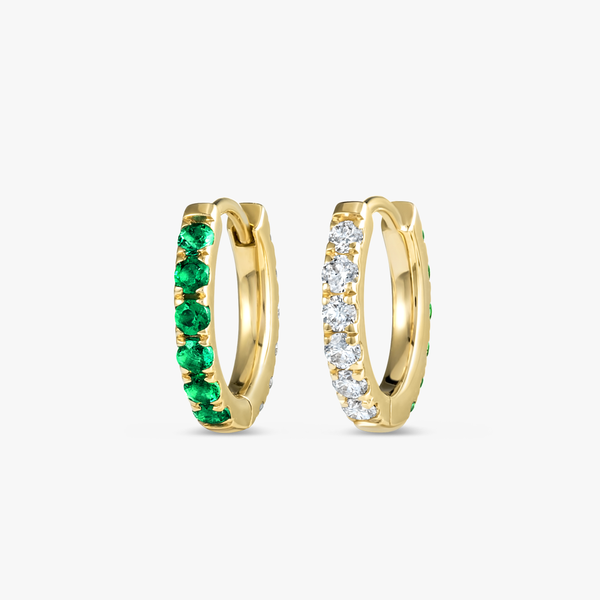
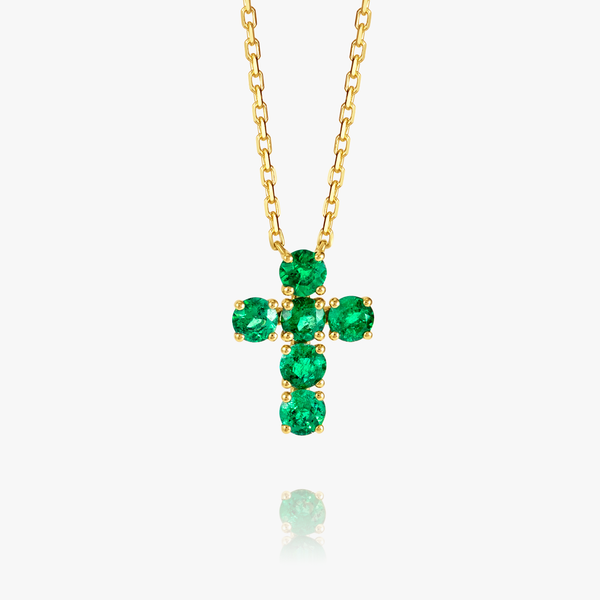
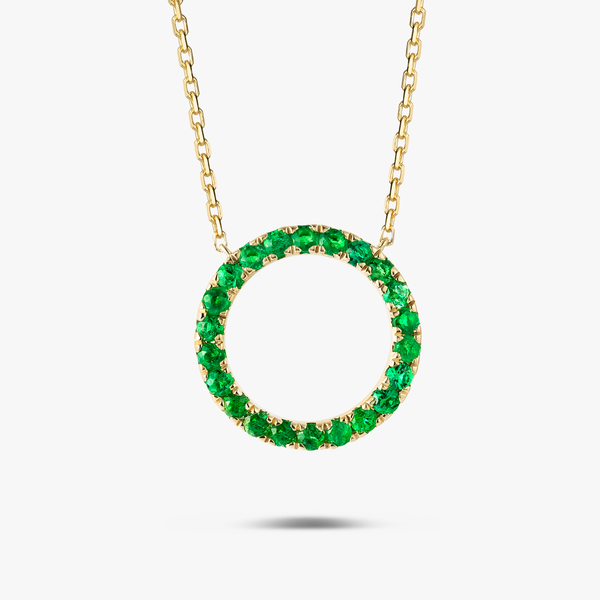
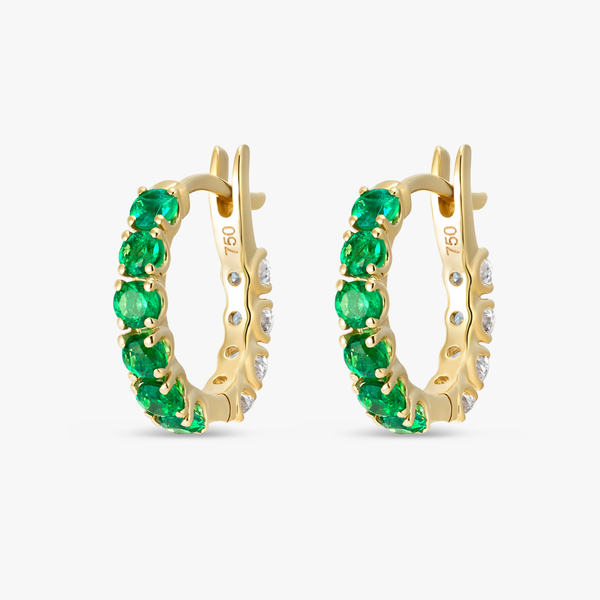
Few gemstones are as instantly recognisable as emerald. Known for its rich green colour and natural character, emerald is one of the world's most prized coloured gemstones and can look spectacular in engagement rings, earrings, pendants and other fine jewellery.
Choosing one is also quite different from choosing a diamond. Colour matters most, inclusions are expected, and two emeralds with similar specifications can look completely different in person.
Key Takeaways
Colour Comes First
The most desirable emerald colours generally sit between bluish green and pure green, with strong saturation without appearing excessively dark.
Inclusions Are Expected
Most natural emeralds contain visible inclusions, often referred to collectively as jardin. What matters is how they affect beauty, transparency and durability.
Origin Isn't a Quality Grade
Colombia - and particularly Muzo - is famous for exceptional emeralds, but the individual stone matters more than a prestigious origin.

Emerald
What Is an Emerald?
Emerald is the green variety of beryl, the same mineral family that includes aquamarine and morganite.
Its distinctive green colour is associated primarily with trace elements such as chromium and/or vanadium.
Natural emeralds are found in several parts of the world, with Colombia, Zambia and Brazil among the best-known sources.
Emerald is also the traditional birthstone for May and is associated with the 20th and 55th wedding anniversaries.

Value
What Makes an Emerald
Valuable?
Emeralds don't have a universally standardised quality-grading system equivalent to diamond grading.
Colour, clarity, cut and carat weight all matter, but they shouldn't necessarily be given equal importance.
For us, colour comes first.
Colour
Colour usually has the greatest influence on an emerald's beauty and value.
When assessing emerald colour, it helps to understand three characteristics:
Hue - the actual colour, such as pure green or slightly bluish green.
Tone - how light or dark the emerald appears.
Saturation - the strength or intensity of its colour.
Highly desirable emeralds generally display a strong green to bluish-green colour with good saturation, but darker doesn't automatically mean better.
If an emerald becomes too dark, it can lose brightness and appear almost black in certain lighting. Likewise, a slightly lighter emerald with vivid saturation can sometimes be considerably more attractive than a darker stone with dull colour.
From Our Experience…
Our advice is simple: understand what makes an emerald colour rare, but choose the green you actually love.
Clarity
Natural emeralds are commonly included - considerably more so than many other gemstones.
These internal characteristics are often referred to as an emerald's jardin, from the French word for garden, because some can create branching or moss-like patterns inside the stone.
Their presence isn't automatically a problem.
What matters is where the inclusions are, how visible they are and whether they affect the emerald's transparency, beauty or durability.
We'd be more cautious about significant fractures or inclusions that reach vulnerable areas of the stone than small internal characteristics that simply form part of its appearance.
Fergus James Expert Insight
Applying diamond clarity expectations to an emerald doesn't make much sense.
A beautiful natural emerald doesn't need to look internally flawless.
Cut
An emerald's cut influences its colour, brightness, visible size and durability.
The rectangular step cut now known as the emerald cut was developed with emeralds in mind. Its cut corners can help protect vulnerable points, while its broad step facets showcase the stone's colour and internal character.
But an emerald doesn't need to be emerald cut.
Emeralds can also be found in oval, cushion, pear, round and other shapes, and each can interact with colour differently.
Depth and proportions matter too. A poorly proportioned emerald may appear unnecessarily dark or lose brightness through the stone.
From Our Experience…
We judge the shape, proportions and colour together, rather than choosing an emerald based on shape alone.
Carat Weight
Carat measures weight, not visible size.
Two emeralds of identical carat weight can look noticeably different in size depending on their shape, dimensions and depth.
Larger fine-quality emeralds become increasingly rare, but we'd generally rather choose a smaller emerald with exceptional colour and an attractive overall appearance than prioritise carat weight at the expense of beauty.

Origin
Does Emerald
Origin Matter?
It can - particularly for fine natural emeralds - but:
Origin isn't a quality grade.
Colombian Emeralds
Colombia has been one of the world's most important sources of fine emeralds for centuries, with Muzo, Coscuez and Chivor among its best-known mining areas.
Fergus James primarily sources natural Colombian emeralds, with a particular focus on stones from the Muzo region in Boyacá.
Muzo Emeralds
Muzo is one of the world's most famous historic emerald-producing areas and has become particularly associated with rich, deeply saturated green emeralds.
Stones from the area are often prized for a distinctive, intense green appearance - what we'd describe as a beautiful evergreen hue.
Different Colombian mining areas can produce subtly different appearances. Muzo is generally associated with darker tones of pure green, while emeralds from Chivor can lean towards a lighter, slightly bluish green.
However, these are tendencies rather than guarantees. Every mine can produce emeralds across a range of colours and qualities.
Does Muzo Origin Make an Emerald Better?
Not automatically.
Muzo carries considerable prestige because of its history and the exceptional emeralds the region has produced, and provenance can influence the rarity and value of an important stone.
But we'd never recommend an emerald simply because Muzo appears on an origin report.
Colour, transparency, treatment, inclusions and the overall beauty of the individual emerald still matter most.
For significant natural emeralds, a specialist gemological laboratory may also provide an opinion on geographic origin.
Fergus James Expert Insight
We love Muzo emeralds for the rich, vibrant greens the region is famous for, but we'd still choose the better individual emerald before choosing the more famous origin.

Treatment
Are Emeralds Treated?
Many natural emeralds are treated to improve their apparent clarity.
Because emeralds commonly contain surface-reaching fissures, colourless oils or resins may be introduced into those fissures to make them less visible. This is an established practice within the emerald trade.
The important question isn't simply whether an emerald has been treated, but:
How has it been treated, and has that treatment been properly disclosed?
Untreated emeralds of exceptional quality can command substantial premiums because they're much rarer, but untreated doesn't automatically mean more beautiful.
Fergus James Expert Insight
Our priority is transparency - you should know what you're buying.

Natural
Natural or
Lab-Grown Emerald?
Both natural and laboratory-grown emeralds are emerald.
Natural Emerald
Forms through geological processes within the Earth and is valued partly for its natural origin and rarity.
Lab-Grown Emerald
Created in controlled conditions and has essentially the same chemical composition, crystal structure and physical properties as its natural counterpart.
The fundamental difference is origin and rarity.
Some buyers value the rarity and natural formation of mined emeralds, while lab-grown emeralds can provide a similar type of appearance at a very different price point.
Neither should be confused with an emerald simulant, which is a different material made to resemble emerald.

Emeralds
Our Emeralds
Pictured above: Fergus James 6 Carat Natural Colombian Emerald Tennis Bracelet
Fergus James primarily sources natural emeralds from Colombia, selected for their colour, character and overall appearance.
Every Fergus James emerald is responsibly and ethically sourced before becoming part of your jewellery.
Rather than selecting an emerald simply because of its origin or specifications, we assess the individual stone and how it will work within the finished piece of jewellery.

Certificate
Does an Emerald Need a Certificate?
Every emerald supplied by Fergus James comes with an IGI gemological report, providing independent information about the stone.
Depending on the report, this can help establish:
- Whether the emerald is natural or laboratory-grown
- Detectable treatments
- Weight and measurements
- In some cases, an opinion on geographic origin
What a report can't tell you is whether one emerald has a more beautiful green than another.
Fergus James Expert Insight
We see laboratory information as one part of the decision - not a substitute for assessing the actual gemstone.

From Our Experience
Emeralds are one of the gemstones that can be particularly difficult to judge from specifications or photographs alone.
Two stones can have the same carat weight, shape and even geographic origin while looking completely different when placed next to each other.
Cameras can also struggle to reproduce the depth and subtle variations of green accurately, which is why clients are often surprised when they see a high-quality emerald in person.
That's why we'd always rather show you the difference between individual emeralds than tell you which one is better based purely on a description or certificate.

Durability
Is an Emerald Suitable
for Everyday Wear?
Yes - with sensible care.
Emerald ranks around 7.5–8 on the Mohs scale, giving it good resistance to scratching. However, hardness isn't the same as overall durability.
Natural emeralds commonly contain fissures and inclusions, which can make them more vulnerable to chipping or damage from a significant knock than diamonds, sapphires or rubies.
That doesn't mean you can't wear an emerald engagement ring every day.
For an emerald ring intended for frequent wear, we'd consider:
The Individual Stone · Setting · Vulnerable Edges & Corners · Wearer's Lifestyle
The setting should provide appropriate security for the particular emerald.
Fergus James Expert Insight
For us, the important question is whether the inclusions detract from the beauty, transparency or durability of the individual stone - not simply whether they exist.

Jewellery
Which Jewellery Suits
Emeralds Best?
Emeralds work beautifully across many types of fine jewellery:
Engagement Rings · Eternity Rings · Earrings · Pendants · Bracelets
For rings, emeralds can work particularly well in solitaire, halo, three-stone and diamond-accented designs, while smaller emeralds can also be used as side stones or details within a bespoke piece.

Metal
Which Metal Looks Best
With an Emerald?
There's no single best choice.

Yellow Gold
Creates a warm, traditional contrast with green.

White Gold & Platinum
Create a cooler appearance that keeps more visual attention on the emerald.

Rose Gold
Creates a softer and more unusual colour combination.
From Our Experience…
We'd primarily choose according to the design, individual emerald and your personal preference, rather than treating one metal as technically superior.

Care
How to Care for
Emerald Jewellery
Emeralds require slightly more considered care than diamonds.
Remove emerald jewellery before:
- Exercising or playing sport
- Strenuous manual work
- Activities where the stone could receive a significant impact
- Using harsh chemicals
Store emerald jewellery separately from harder gemstones such as diamonds to help prevent scratching.
Frequently worn emerald rings should also be periodically inspected for setting security.
Because many emeralds are clarity enhanced with oils or resins, ultrasonic and steam cleaning may not be appropriate. We'd recommend professional advice before using either method.
Frequently Asked Questions
The most highly prized emeralds generally display a strong green to bluish-green colour with vivid saturation, without becoming so dark that they lose brightness.
Colour is usually the most important factor, although the individual stone should always be assessed as a whole.
Yes. Inclusions are extremely common in natural emeralds and are often collectively referred to as jardin.
Rather than expecting an emerald to be flawless, we'd consider whether its inclusions affect its beauty, transparency or durability.
Yes, with sensible care.
Emeralds rank around 7.5–8 on the Mohs scale, but natural fissures and inclusions can make them more vulnerable to knocks than diamonds, sapphires or rubies.
The individual emerald and its setting should therefore be considered for a ring intended for everyday wear.
Not automatically.
Colombia has produced some of the world's most highly prized emeralds, but exceptional stones also come from Zambia and other locations.
Colour, transparency, treatment and the quality of the individual emerald matter more than origin alone.
Many natural emeralds are clarity enhanced using colourless oil or resin to make surface-reaching fissures less visible.
This is an established practice within the emerald trade, but the type and extent of treatment should be properly disclosed.
No.
Emerald is a gemstone; emerald cut is a shape and faceting style.
The emerald cut was developed with emeralds in mind, but diamonds, sapphires and other gemstones can also be cut in this shape.