When Did Diamond Engagement Rings Become Popular?
Diamond engagement rings feel like a long-standing tradition. Many people assume they have always been part of marriage proposals. The truth is more layered and far more interesting. The rise of the diamond engagement ring is tied to history, social class, clever marketing, and shifting ideas about love and commitment.
This guide explains when diamond engagement rings became popular, why they took hold, and how they grew into the symbol we know today. It also shares helpful advice for modern couples who want a ring that feels meaningful rather than simply following tradition.
Engagement Rings Before Diamonds Took the Spotlight
Engagement rings existed long before diamonds entered the picture. In ancient Rome, rings were often made from iron. These rings showed a promise of marriage and a sense of ownership. Love played a role, but practicality mattered more.
During the Middle Ages, rings became more decorative. Gold bands with engraved patterns or small gemstones were common among the wealthy. These rings were not worn by everyone. Marriage customs depended heavily on class and location.
In many parts of Europe, gemstones like sapphires, rubies, and emeralds were chosen for their color and meaning. Blue sapphires symbolized loyalty. Rubies stood for passion. Diamonds were rare and hard to cut, which kept them out of reach for most people.
The First Known Diamond Engagement Ring
History often points to the year 1477 as a key moment. Archduke Maximilian of Austria proposed to Mary of Burgundy with a ring set with small diamonds arranged in the shape of an “M.” This is widely considered the first recorded diamond engagement ring.
This event did not start an immediate trend. Diamonds remained reserved for royalty and the very wealthy. Cutting methods were basic, and stones lacked the sparkle we expect today. Diamonds were admired for their hardness and rarity rather than brilliance.
At this stage, diamond engagement rings were symbols of power and status, not romance for the wider public.


Why Diamonds Stayed Rare for Centuries
Diamonds were scarce in Europe until the 18th century. Most stones came from India, and supply was limited. High cost kept diamonds exclusive.
Another reason diamonds took so long to gain popularity lies in craftsmanship. Early cutting styles did not reflect light well. Compared to colorful gemstones, diamonds appeared dull. Many people preferred stones with visible color and shine.
Marriage customs also varied widely. In some cultures, engagement rings were optional. In others, the focus was on dowries or family agreements rather than personal expressions of love.
The Industrial Age and Changing Tastes
The 19th century brought major change. Diamond discoveries in South Africa increased supply. Cutting techniques improved, allowing diamonds to sparkle in a way never seen before.
At the same time, romantic ideals grew stronger in Western society. Love marriages became more common, replacing arranged unions among the middle class. Jewelry began to carry emotional meaning rather than simply showing wealth.
Victorian engagement rings often featured diamonds paired with other gemstones. Cluster settings and ornate designs were popular. Diamonds were present, yet they were not the only choice.
The Marketing Moment That Changed Everything
The real turning point came in the 20th century. In the late 1930s, the diamond market faced a problem. Sales were declining, especially in the United States. Diamonds were still seen as luxury items rather than emotional necessities.
This changed through a powerful campaign by De Beers. The slogan “A Diamond Is Forever” linked diamonds with lasting love and lifelong commitment. Advertising placed diamond engagement rings at the center of proposals, romance, and marriage.
Movies, magazines, and celebrity culture reinforced the message. Diamonds were shown as the only acceptable choice for an engagement ring. Over time, this idea became deeply rooted.
By the 1950s, diamond engagement rings had become the standard in many Western countries.
How Tradition Took Hold in Modern Culture
Once the diamond engagement ring gained social approval, it spread quickly. Friends, family, and media repeated the same message. A proposal without a diamond ring started to feel incomplete to many couples.
Another factor was accessibility. Diamond supply increased, and payment plans made rings easier to afford. Jewelers began offering a wide range of styles and price points.
The diamond ring became a public signal. It showed commitment, financial readiness, and seriousness about marriage. This social meaning carried strong influence, especially during the post-war years.


Global Adoption and Regional Differences
Diamond engagement rings became popular at different speeds around the world. In the United States, the trend grew rapidly after World War II. Europe followed, though some countries kept stronger ties to colored gemstones.
In parts of Asia and the Middle East, engagement jewelry traditions already existed. Diamonds were added to these customs rather than replacing them entirely. Gold weight, craftsmanship, and design often mattered as much as the stone itself.
Today, diamond engagement rings are widely recognized across cultures, yet preferences still vary. Some regions favor large center stones. Others value subtle design and quality over size.
Modern Shifts in Engagement Ring Choices
Modern couples approach engagement rings with fresh thinking. Many still choose diamonds, yet the reasons have changed. Emotional value now outweighs social pressure for many buyers.
Customization plays a major role. Couples want rings that reflect their story, style, and values. This includes unique settings, mixed metals, and meaningful design details.
Ethical sourcing has also gained attention. Buyers ask where diamonds come from and how they are mined. Lab-grown diamonds offer another option, providing beauty with a different origin story.
Some couples choose alternative gemstones, yet diamonds remain the most requested choice for engagement rings worldwide.
Why Diamonds Still Matter Today
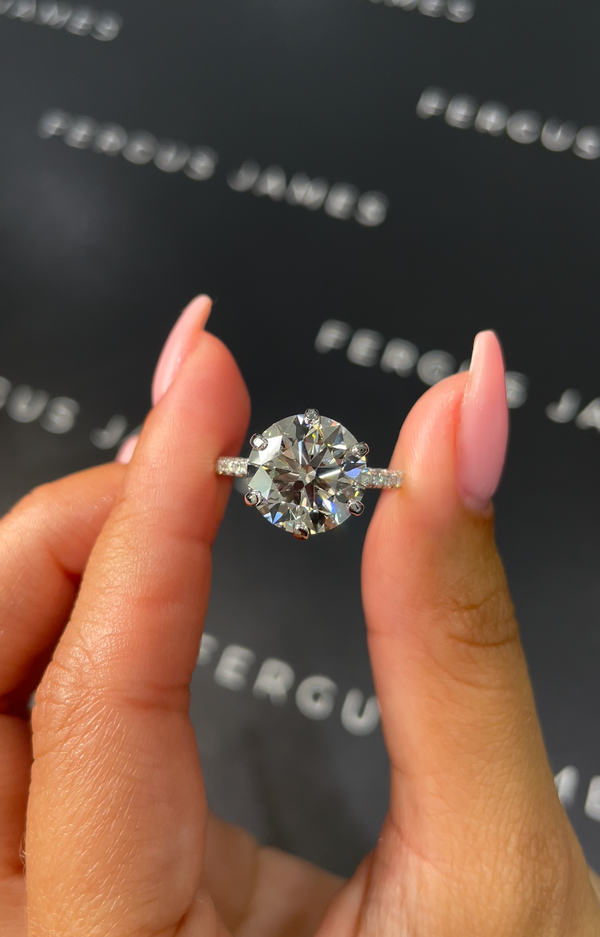
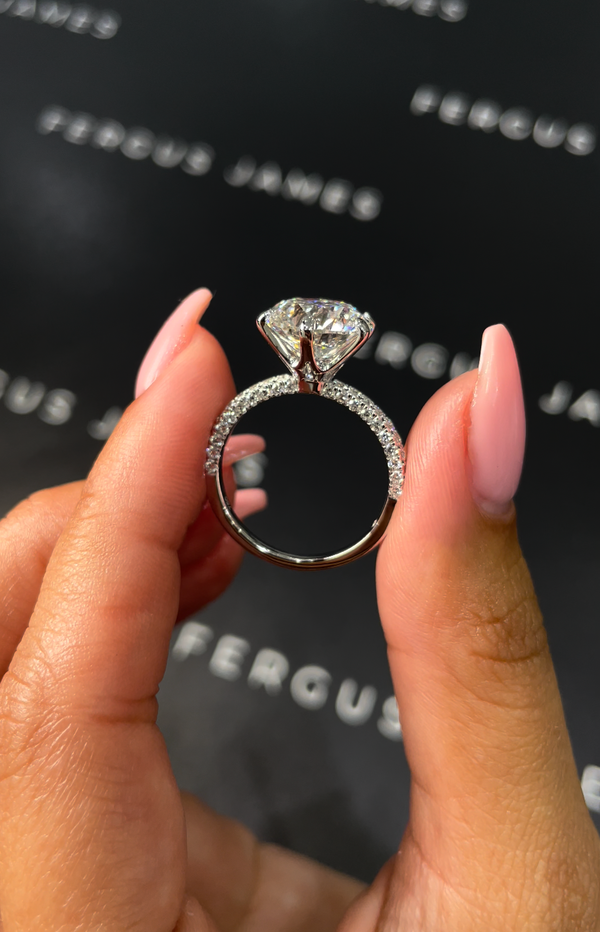
Diamonds have qualities that support their lasting appeal. They are durable, timeless, and versatile. A well-cut diamond works with almost any setting and style.
Symbolism still matters. Many people connect diamonds with permanence and strength. This meaning continues to resonate during proposals and milestones.
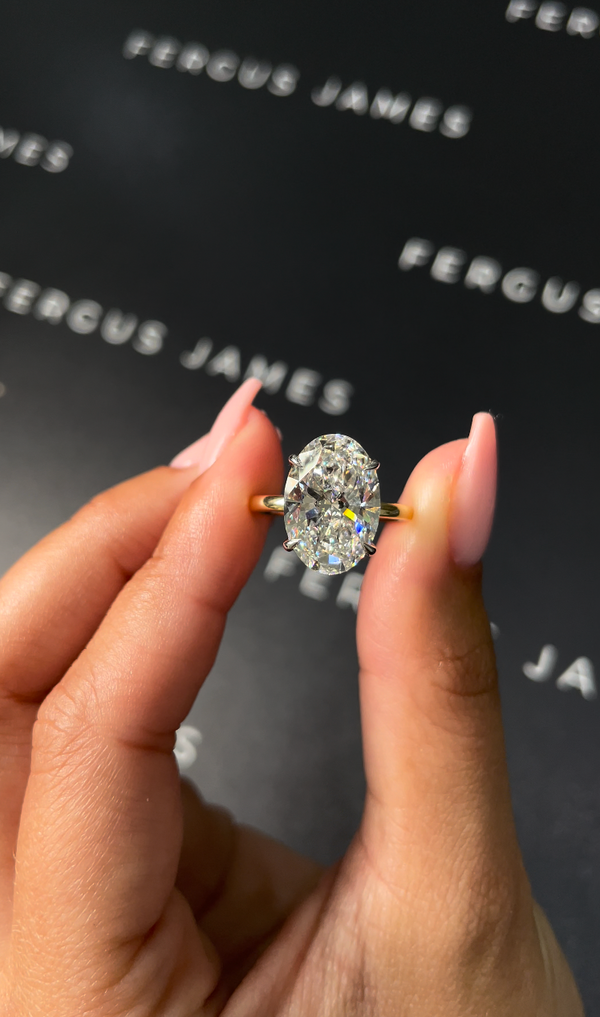
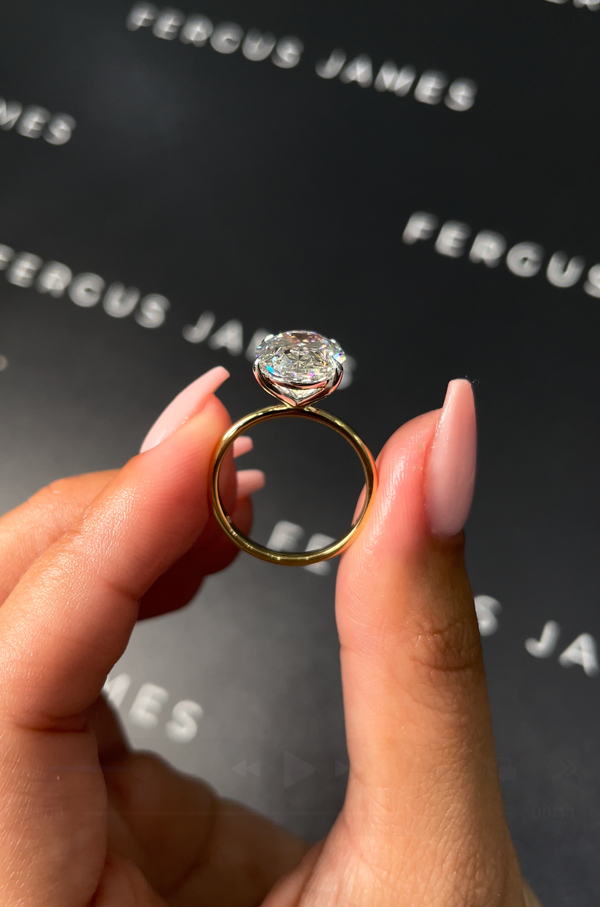
The difference today lies in choice. A diamond engagement ring no longer follows one strict rule. Shape, size, cut, and setting can all reflect personal taste.
Choosing a Diamond Engagement Ring With Meaning
Understanding the history behind diamond engagement rings helps buyers make informed decisions. Tradition offers guidance, yet it does not limit creativity.
When choosing a ring, focus on quality, design, and craftsmanship. A smaller diamond with excellent cut and thoughtful setting can feel far more special than a larger stone chosen without care.
Custom design allows couples to create a ring that feels personal rather than generic. This approach honors tradition while allowing space for individuality.
Working with an experienced jeweler makes a real difference. Expert guidance helps match budget, lifestyle, and style preferences without pressure.
What This History Means for Today’s Couples
Diamond engagement rings became popular through a mix of history, supply changes, and cultural storytelling. Their rise was not sudden, and it was not accidental.
Today, couples have more freedom than ever. Choosing a diamond can be about love, beauty, and shared values rather than expectation.
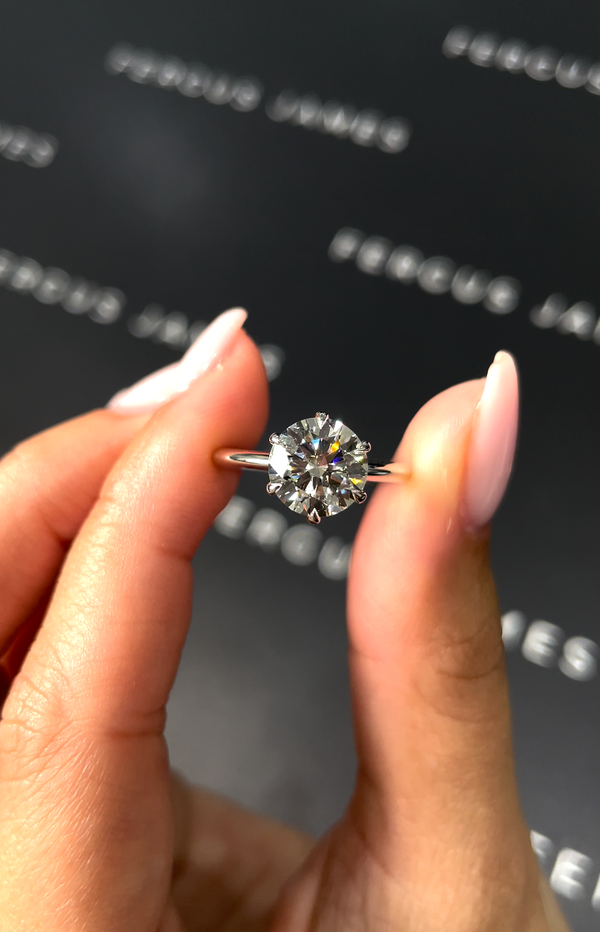
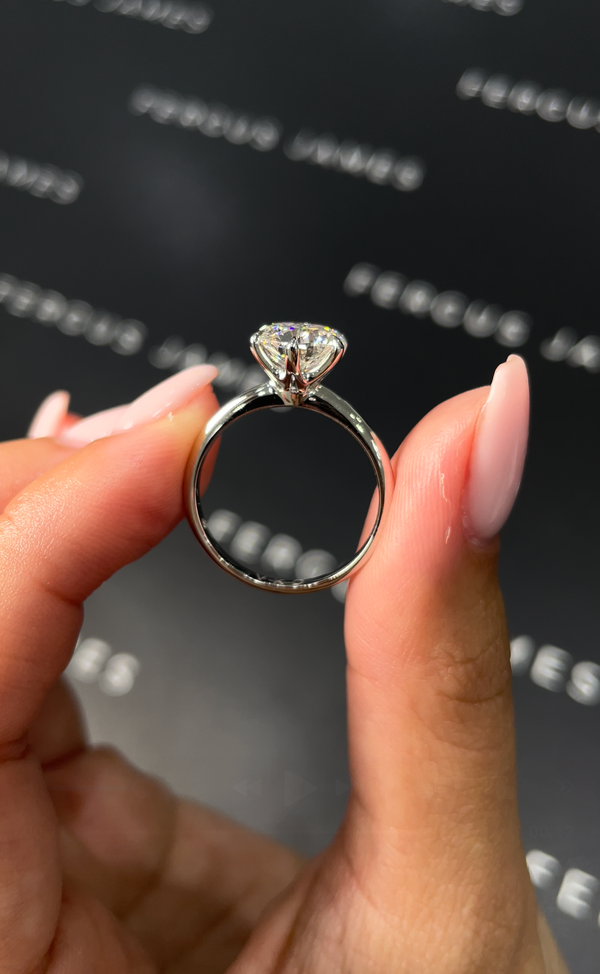
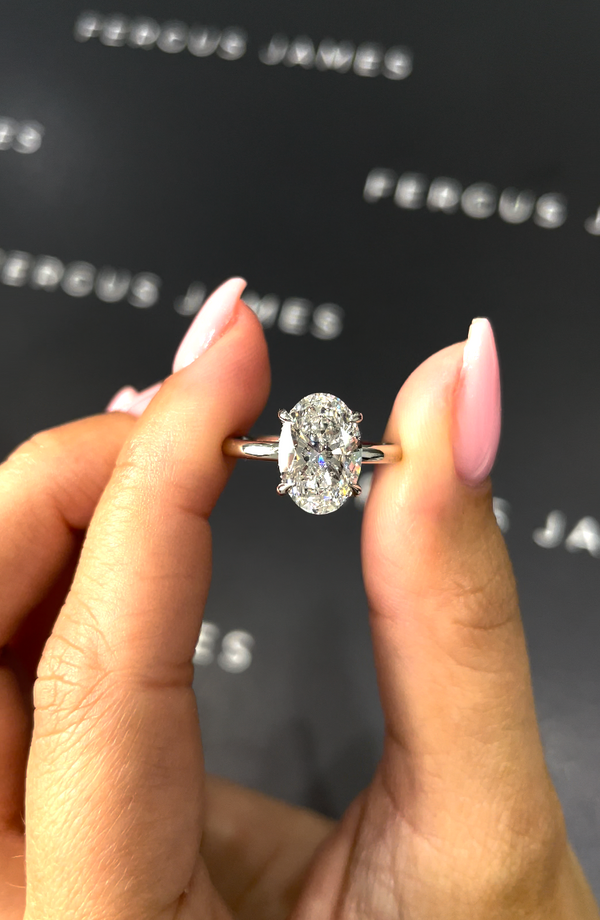
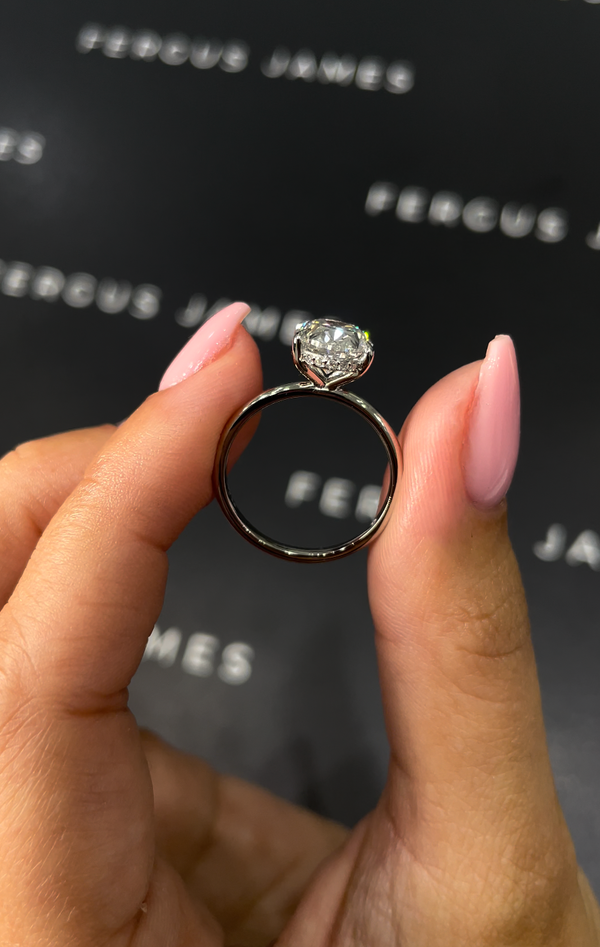
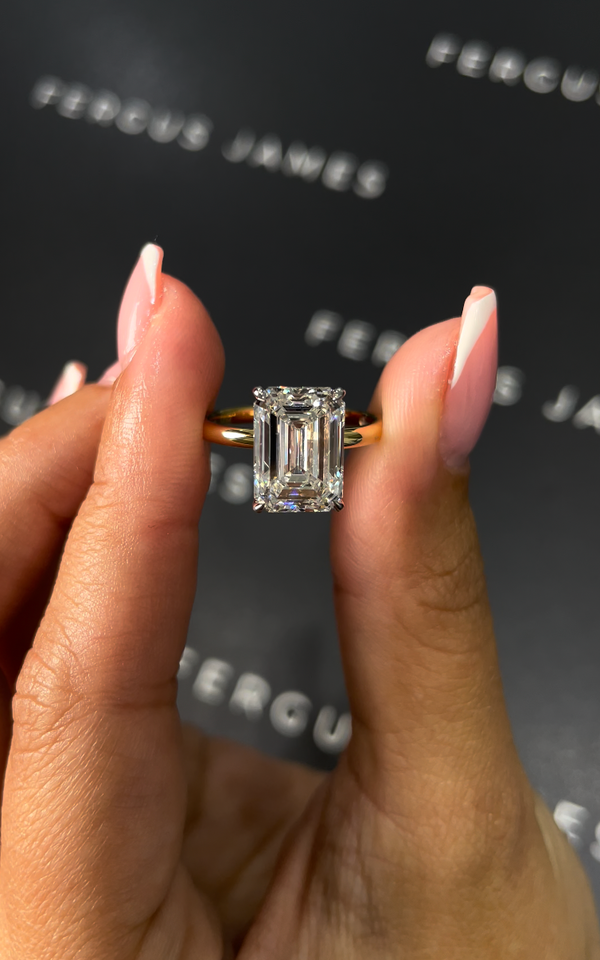
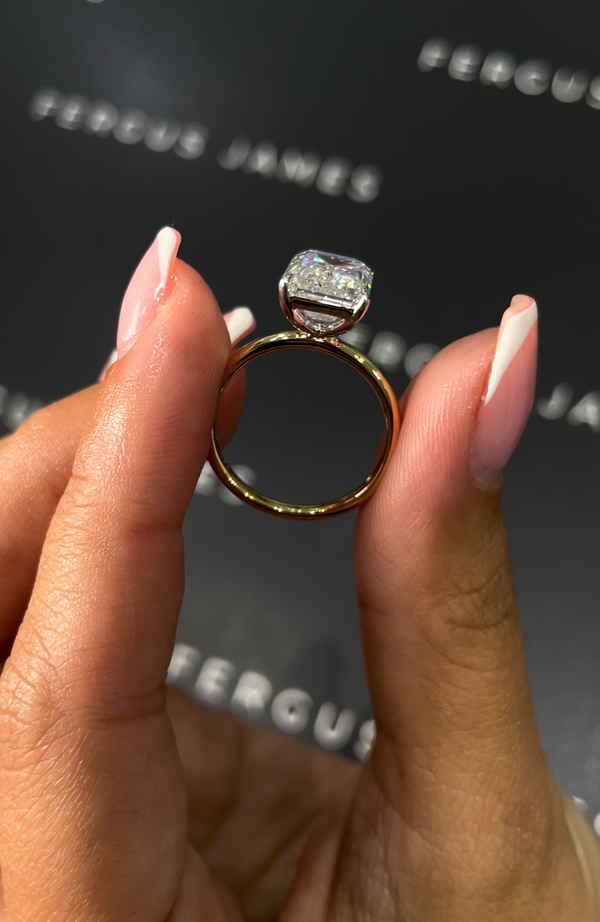
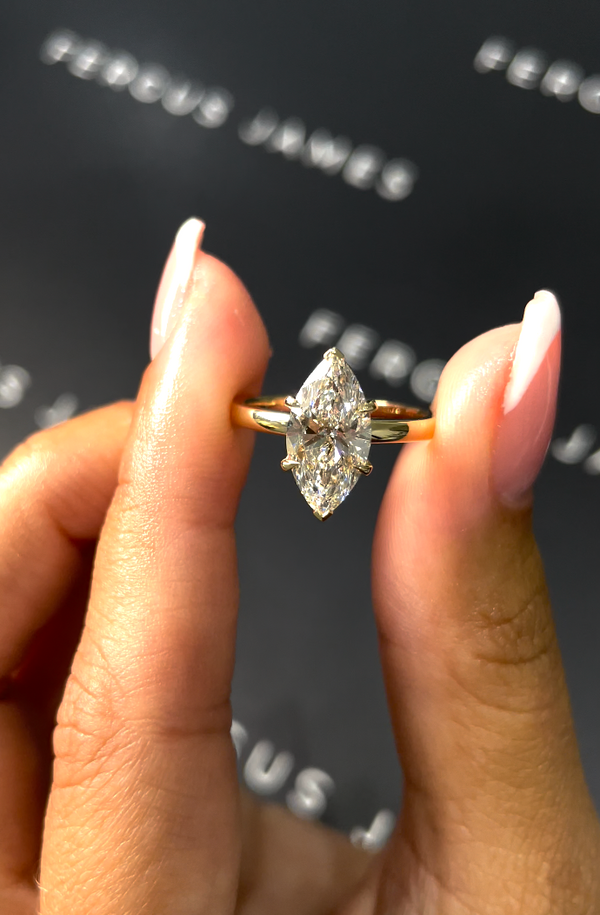
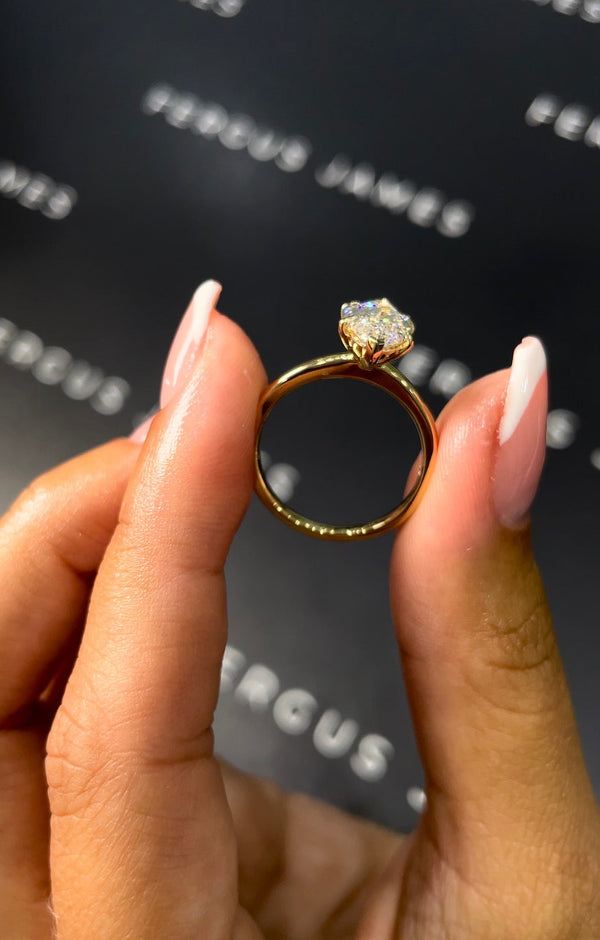
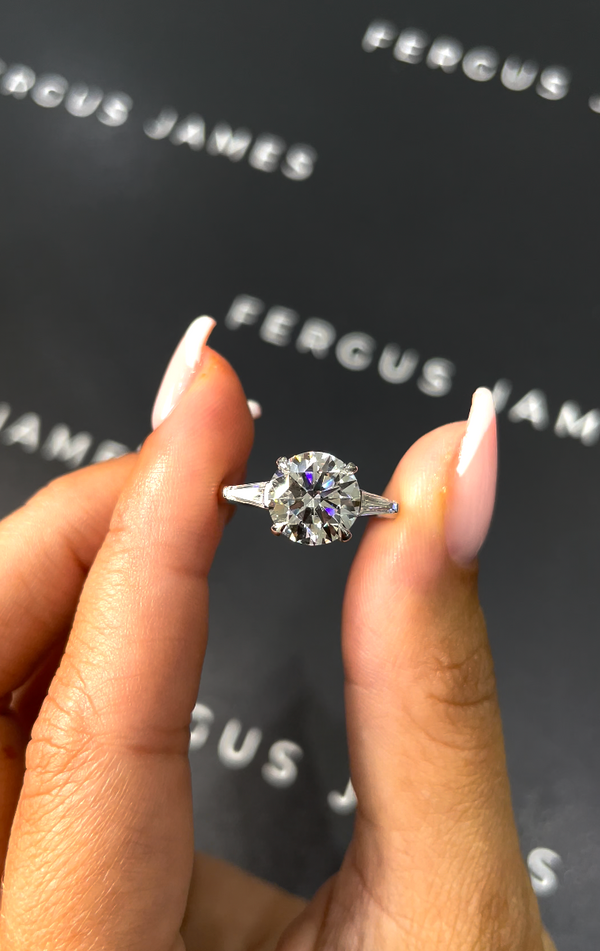
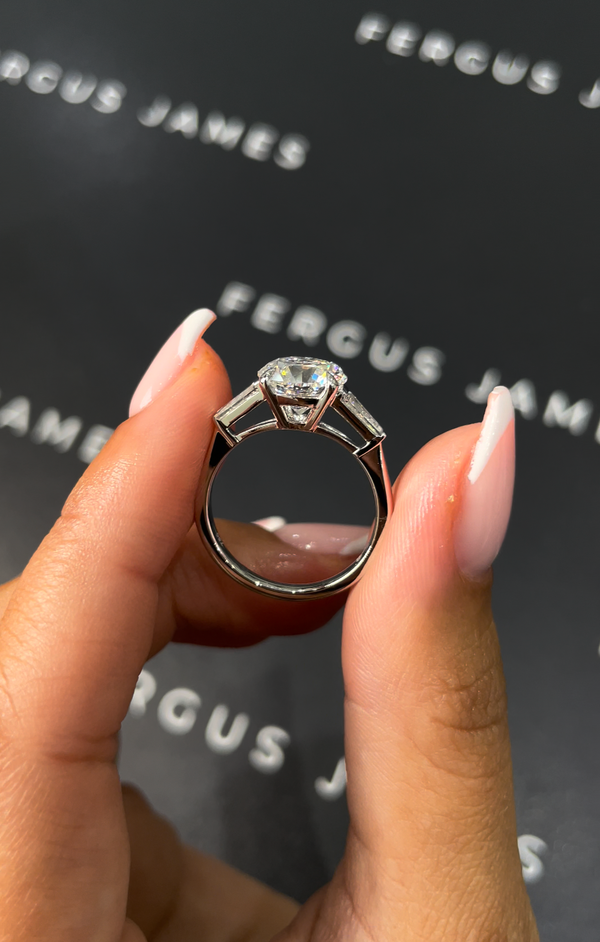
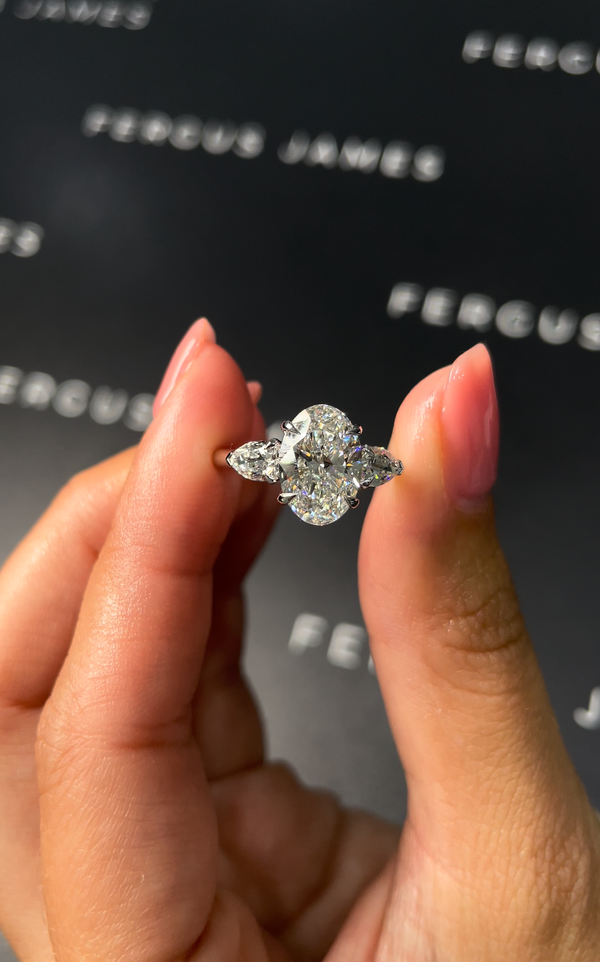
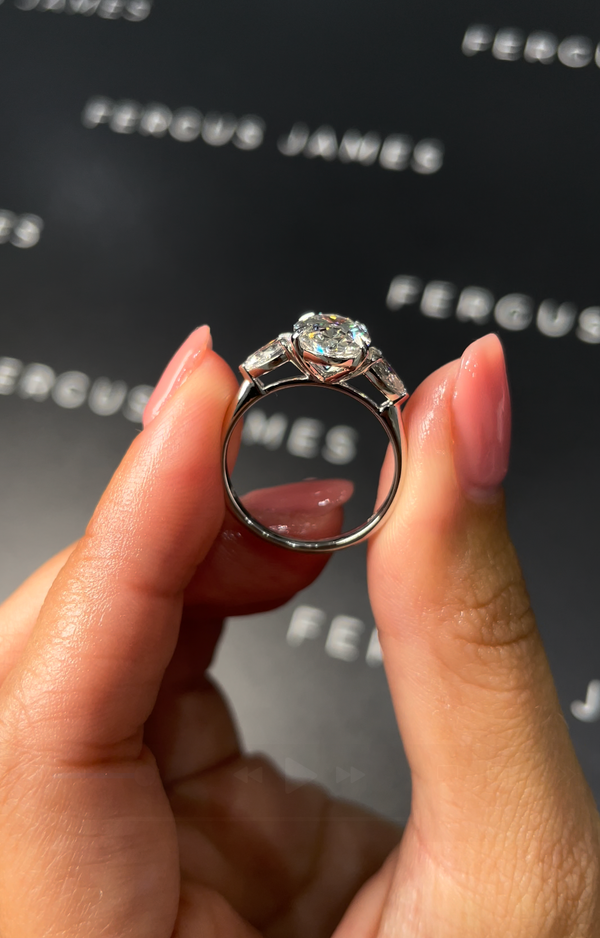
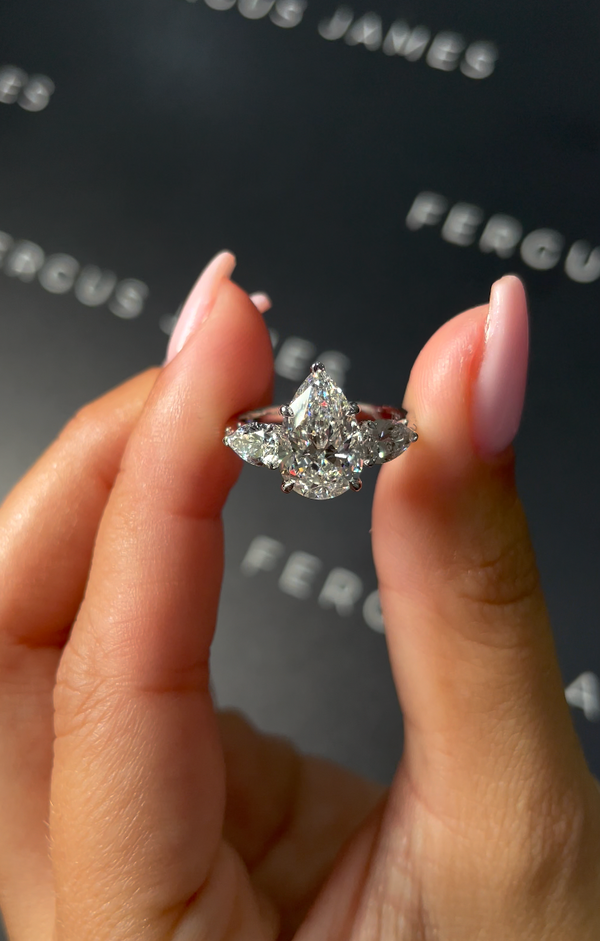
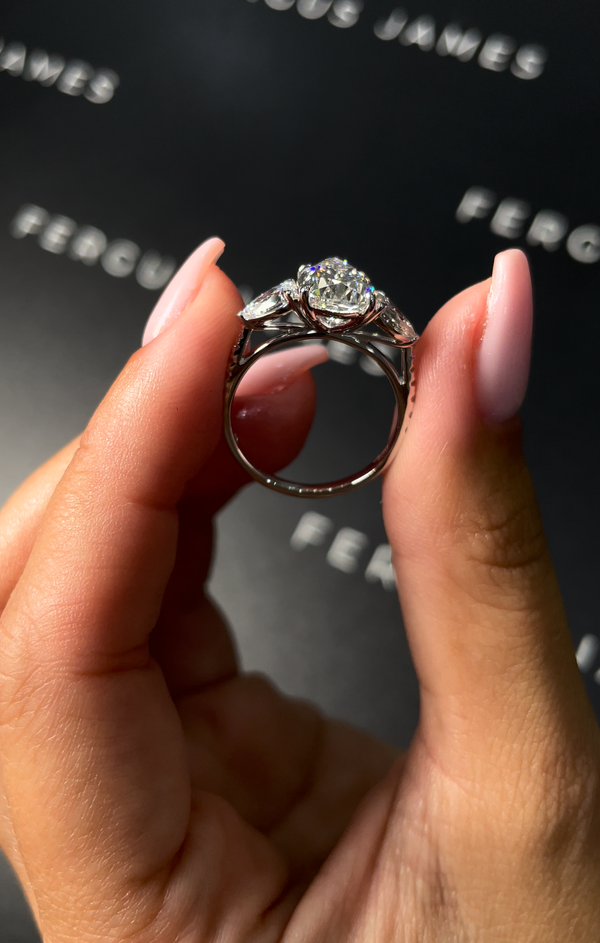
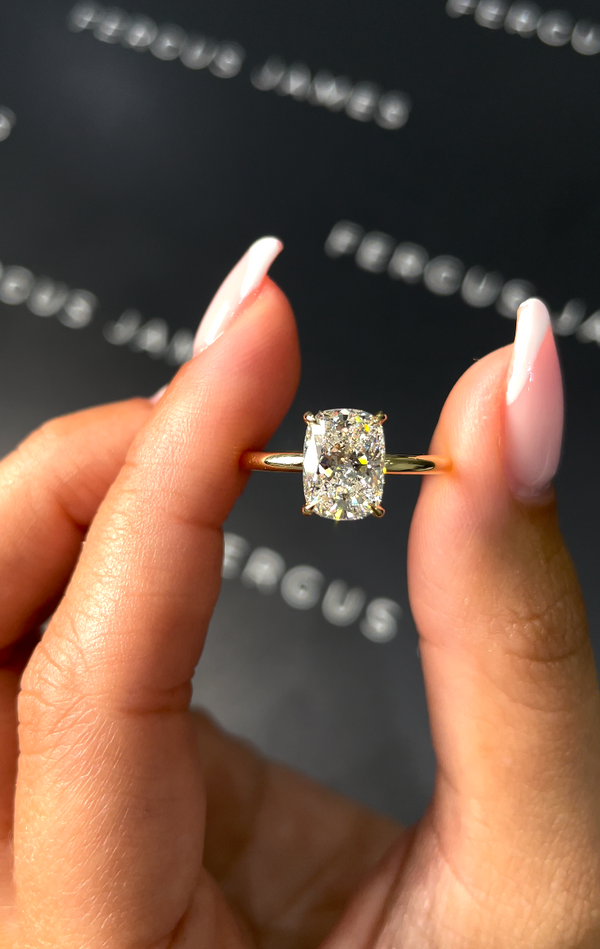
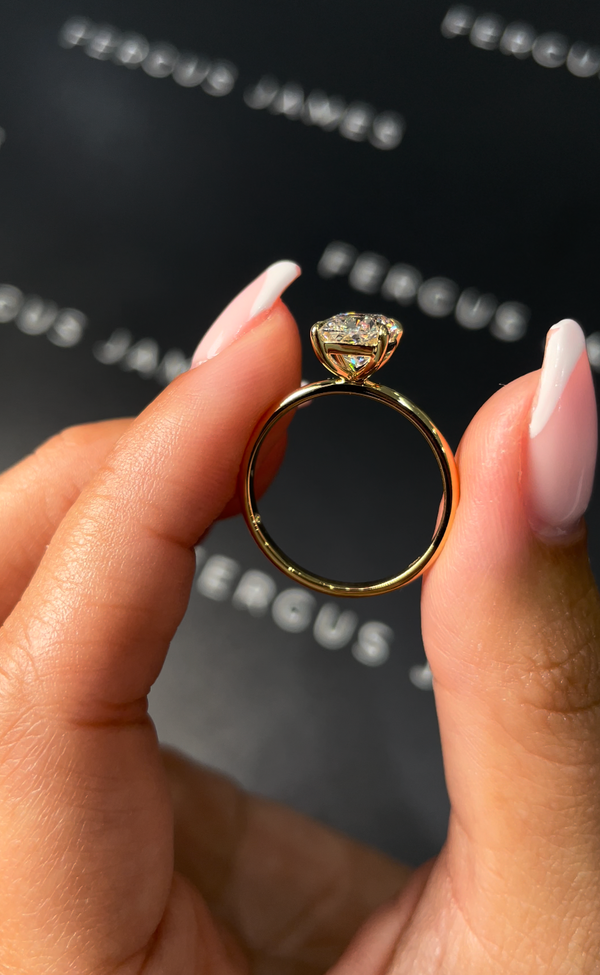
At Fergus James, we believe every engagement ring should tell a story. Understanding where diamond engagement rings came from helps create pieces that feel timeless, personal, and meaningful for the future.
A diamond ring does not mark the start of love. It celebrates a promise already made.