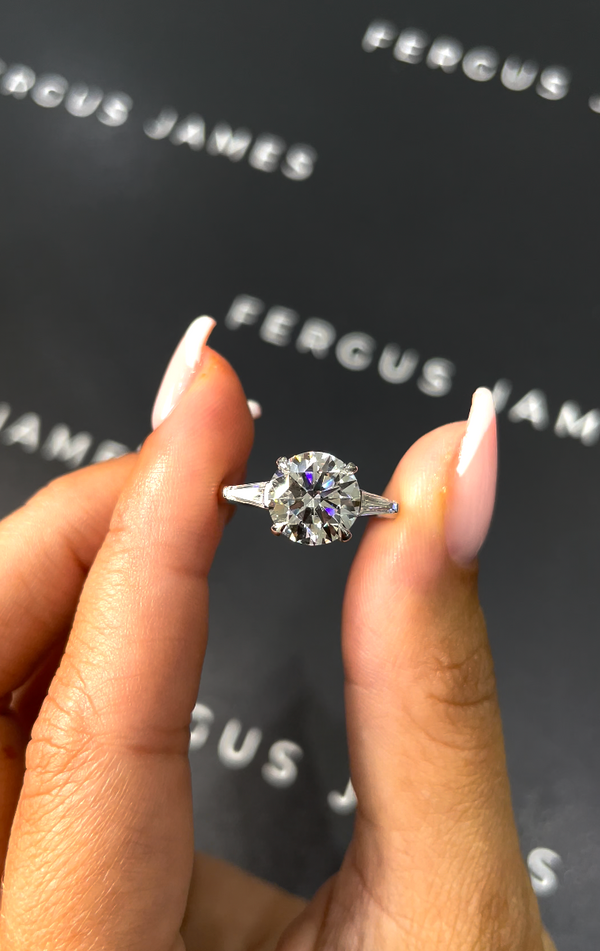
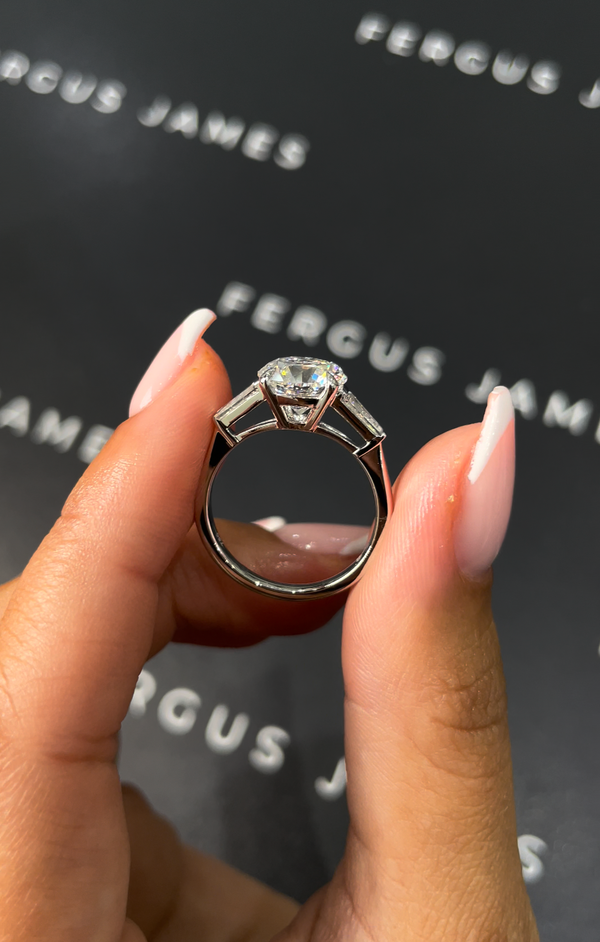
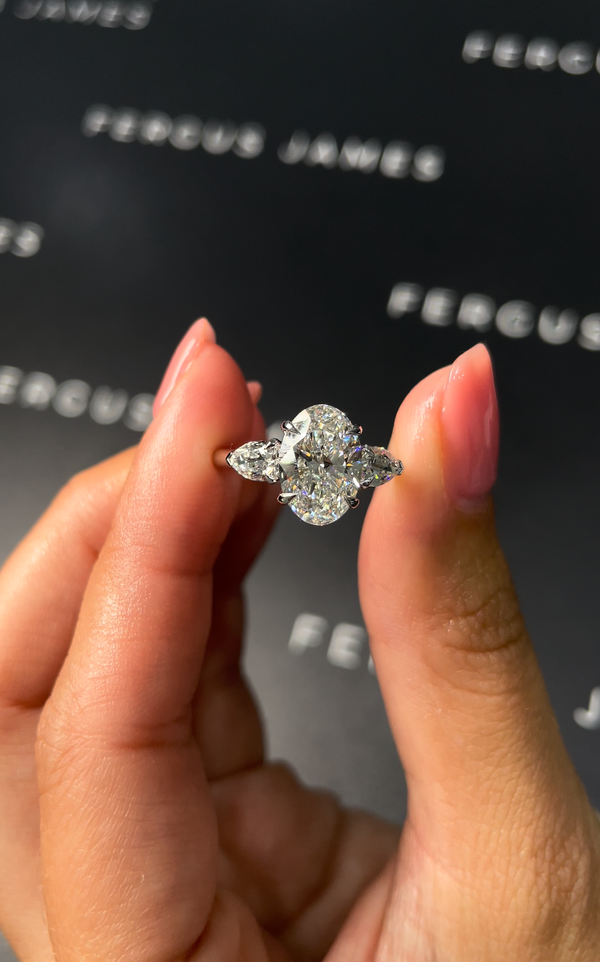
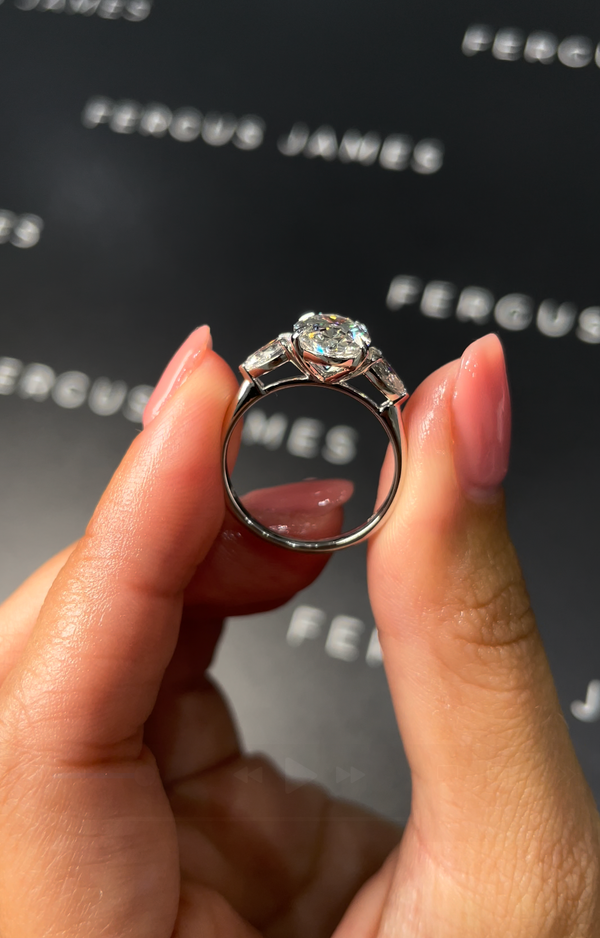
How to Sell a Diamond Ring and Get a Fair Price
Selling a diamond ring is often a personal decision. It may come from a life change, a wish to upgrade, or the need to release value tied up in fine jewelry. No matter the reason, one goal stays the same. You want a fair price and a smooth, respectful experience.
At Fergus James, many clients ask how to approach selling a diamond ring with confidence. This guide shares clear, practical advice so you understand what buyers look for, how value is set, and how to protect your interests during the sale.
Understanding What Gives a Diamond Ring Its Value
A diamond ring is worth more than a single number on a receipt. Buyers assess several factors before making an offer. Knowing these details helps you set realistic expectations and avoid low offers that do not reflect true value.
The Four Cs Still Matter
The traditional Four Cs shape most price discussions.
Carat weight refers to how much the diamond weighs. Larger stones usually attract higher prices, though quality plays a major role.
Cut affects how light moves through the stone. Well-cut diamonds appear brighter and more lively, which makes them more desirable to buyers.
Color measures how white or colorless the diamond looks. Diamonds closer to colorless often command stronger prices.
Clarity describes internal marks or surface features. Fewer visible marks usually lead to higher value.
Each of these points works together to shape demand and pricing in the resale market.
The Setting and Metal Matter Too
The ring itself also carries value. Platinum and high-karat gold settings add worth, especially when well crafted. Designer settings, custom work, or rings from known luxury brands may attract more interest.
Wear and condition also count. A ring that has been cared for often looks more appealing and may receive a stronger offer.


Why Resale Prices Differ From Retail Prices
Many sellers feel surprised when resale offers come in lower than the original purchase price. This is normal in fine jewelry.
Retail prices include branding, showroom costs, marketing, and taxes. Resale buyers focus on current market demand and how easily the ring can be resold. Diamonds, like cars or watches, usually sell for less once they leave the store.
Understanding this gap helps set realistic goals and reduces frustration during the selling process.
Preparing Your Diamond Ring Before Selling
Preparation plays a large role in how buyers respond to your ring. A little effort can make a noticeable difference in offers.
Gather Documentation
Any paperwork connected to the ring helps support its value. This may include:
- Diamond grading reports from recognized labs
- Original purchase receipts
- Appraisal documents
- Brand certificates or designer paperwork
A grading report, especially from a respected lab, gives buyers confidence in the diamond’s quality.
Clean and Inspect the Ring
A professional cleaning can restore sparkle and remove buildup. Many jewelers offer this service at a modest cost. A clean ring looks more attractive and allows buyers to assess its condition with ease.
Check for loose stones or damaged prongs. Simple repairs may help the ring present better during evaluation.
Getting a Professional Diamond Appraisal
An independent appraisal gives you a clearer view of your ring’s worth. It also helps you recognize fair offers when speaking with buyers.
Look for an appraiser who does not buy jewelry. This avoids conflicts of interest. The appraisal should detail the diamond’s qualities, metal type, and overall condition.
Keep in mind that an appraisal often reflects replacement value, not resale value. Use it as a reference point rather than a fixed selling price.
Where You Can Sell a Diamond Ring
Choosing the right selling channel affects price, speed, and peace of mind. Each option has strengths and limits.
Local Jewelers and Diamond Buyers
Reputable jewelers and diamond buyers offer fast and straightforward transactions. Payment is often immediate, which suits sellers who prefer speed and security.
Prices may be lower than private sales since buyers need room for resale margins. Trustworthy buyers explain how they arrive at their offers.
Auction Houses
High-quality or branded rings may perform well at auction. Auctions can attract collectors and international buyers, which may push prices higher.
Fees and waiting periods apply. The final price is not guaranteed, so this route suits sellers who are comfortable with some uncertainty.
Online Diamond Buyers
Online platforms reach a wide audience and often provide shipping and insurance. Reviews and transparency matter when choosing this path.
Offers vary widely, so compare several buyers before committing. Read terms carefully to understand return policies and payment timelines.
Private Sales
Selling directly to another person may lead to a higher price since there is no middle party. This method requires time, patience, and strong safety measures.
Meeting buyers through trusted networks or secure platforms reduces risk.
How to Spot a Fair Offer
A fair offer reflects current market demand, diamond quality, and resale potential. Comparing multiple offers is one of the best ways to judge fairness.
Ask buyers to explain their pricing. A clear breakdown of diamond quality, metal value, and market conditions shows professionalism.
Be cautious of buyers who rush decisions or avoid detailed explanations. Trust grows when communication feels open and respectful.

Timing and Market Demand
Diamond prices change with market trends, supply, and demand. Engagement seasons, holiday periods, and economic conditions all play a role.
Selling during times of strong demand may improve offers, especially for classic cuts and popular sizes. Patience can pay off when market conditions improve.
Emotional Value Versus Market Value
Diamond rings often hold deep emotional meaning. Memories and personal history can make parting with them challenging.
Buyers focus on physical qualities and resale potential, not personal stories. Separating emotional value from market value helps you approach the sale with clarity and confidence.
Taking time to decide also helps ensure you feel comfortable with your choice.
Avoiding Common Mistakes When Selling a Diamond Ring
Many sellers face disappointment due to avoidable missteps.
Accepting the first offer without comparison often leads to lower returns. Skipping documentation can reduce buyer confidence. Relying on online price calculators alone may give unrealistic expectations.
A calm, informed approach leads to better outcomes and smoother negotiations.
How Fergus James Supports Informed Jewelry Decisions
Selling a diamond ring does not need to feel confusing or pressured. Education and transparency create better experiences on all sides.
At Fergus James, the focus stays on helping clients understand diamond quality, value, and market conditions. Even when clients are selling rather than buying, clear guidance builds trust and long-term relationships.
Whether you plan to sell now or simply want to understand your options, speaking with experienced professionals can bring clarity and confidence.
Final Thoughts
Selling a diamond ring is a financial decision with personal layers. Knowledge puts you in control. By understanding how value is assessed, preparing your ring with care, and choosing the right selling channel, you improve your chances of receiving a fair price.
Take your time, ask questions, and compare offers. A thoughtful approach protects your interests and respects the value of fine jewelry. With the right guidance, selling a diamond ring can feel clear, respectful, and rewarding.