How to Buy a Diamond Ring Without Overpaying
Buying a diamond ring is a meaningful purchase. It often marks an engagement, an anniversary, or a personal milestone. With that meaning comes pressure. Many buyers worry about paying more than they should or choosing the wrong diamond. In a luxury market like Dubai, where options range from global brands to private ateliers, knowing how pricing really works helps you make a confident decision.
Overpaying does not always mean choosing the most expensive ring. It often happens when buyers pay for things that add little real value, or when they rely on surface level details rather than true quality. This guide is written to help you understand where money is well spent, where it is not, and how to choose a diamond ring that feels refined, personal, and fairly priced.
Understand What Actually Drives Diamond Prices
Diamond pricing follows industry standards, yet many buyers never see how those standards affect cost. At the center of pricing are the four basic characteristics: carat weight, cut, color, and clarity. These are commonly known as the 4Cs.
Carat weight has the strongest impact on price. A one carat diamond often costs far more than two half carat diamonds of similar quality. This jump happens because whole numbers are in higher demand. Choosing a diamond just under a popular weight, like 0.90 instead of 1.00 carat, can reduce the price while keeping the visual size almost identical.
Cut quality controls how the diamond handles light. A well cut diamond appears brighter and larger than a heavier diamond with poor proportions. Paying for an excellent cut is one of the smartest decisions you can make because it improves beauty without adding unnecessary weight.
Color and clarity influence price more subtly. Many buyers aim for high grades without realizing that differences are often invisible to the naked eye. Understanding where those differences stop being noticeable is one of the best ways to avoid overspending.
Do Not Overpay for Invisible Grades
Color grades range from colorless to visibly tinted. In real life viewing, especially once the diamond is set, most people cannot see the difference between a D color and an F or even a G color. The price difference, however, can be substantial.
Clarity grades follow a similar pattern. A flawless diamond commands a premium, yet tiny inclusions are often impossible to see without magnification. Diamonds graded VS1, VS2, or even some SI1 stones can appear perfectly clean when worn. Paying for flawless clarity rarely adds visual value, but it adds a noticeable amount to the invoice.
A trusted jeweler will guide you toward diamonds that look exceptional rather than diamonds that score highly on paper alone. This balance keeps quality high while controlling cost.


Certification Matters More Than Brand Names
One of the most common ways buyers overpay is by focusing on brand labels rather than objective grading. International luxury brands invest heavily in marketing, and those costs are built into their prices. While the craftsmanship may be beautiful, the diamond itself is still graded by the same global standards.
An independent laboratory certificate, especially from respected grading bodies, tells you exactly what you are buying. It provides clear information about cut, color, clarity, carat weight, and proportions. This document is essential for transparency and fair pricing.
Paying extra for a logo does not improve the diamond. Paying for a properly certified stone does.
Choose the Setting With Care and Purpose
The setting affects both the style and the final price of a ring. Intricate designs, heavy metal weight, and designer collections raise costs quickly. A well designed setting does not need to be complicated to feel luxurious.
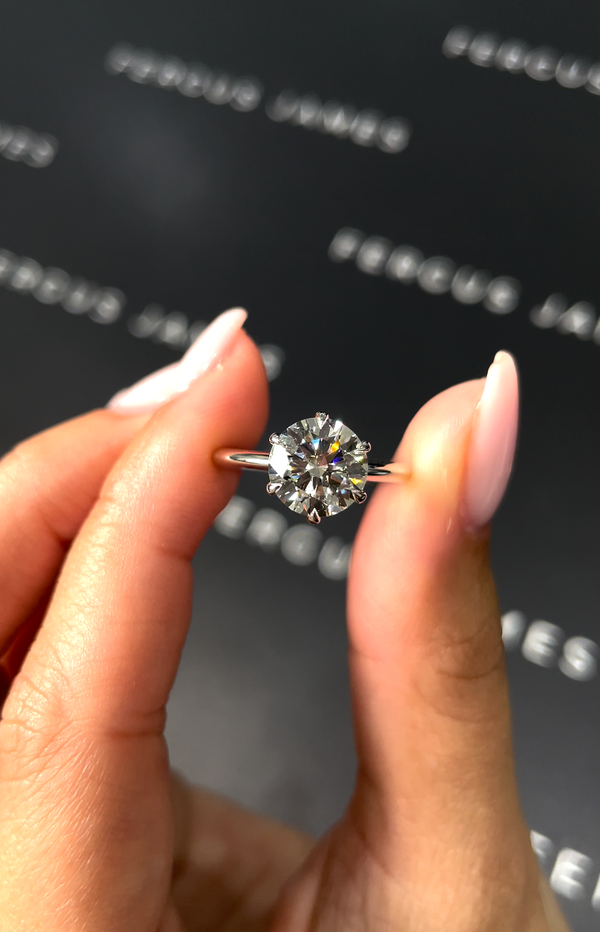
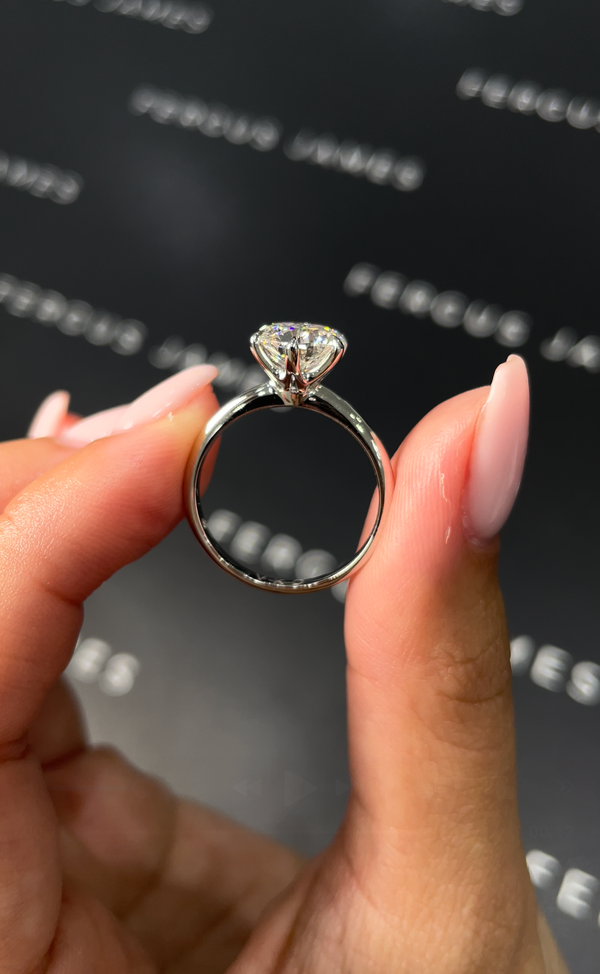
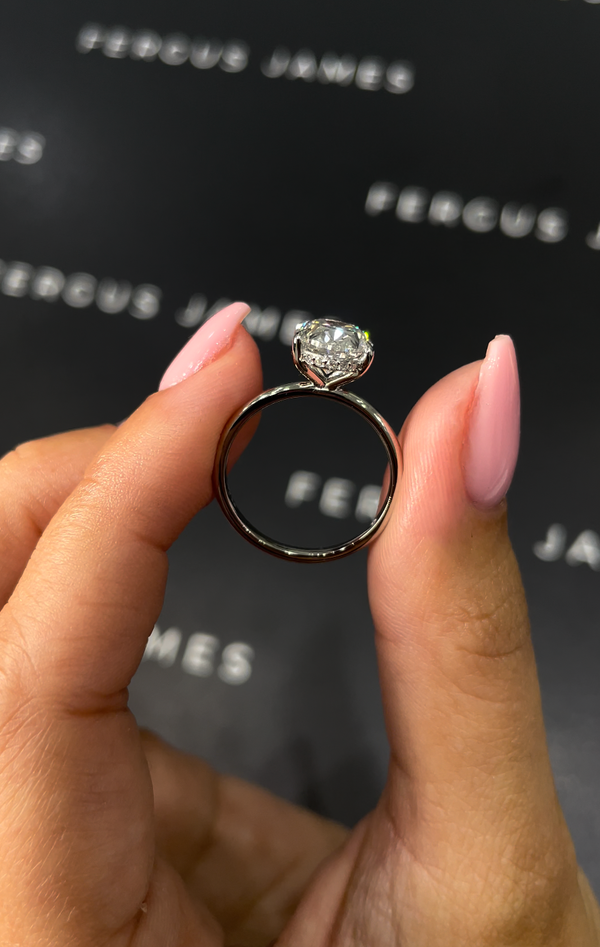
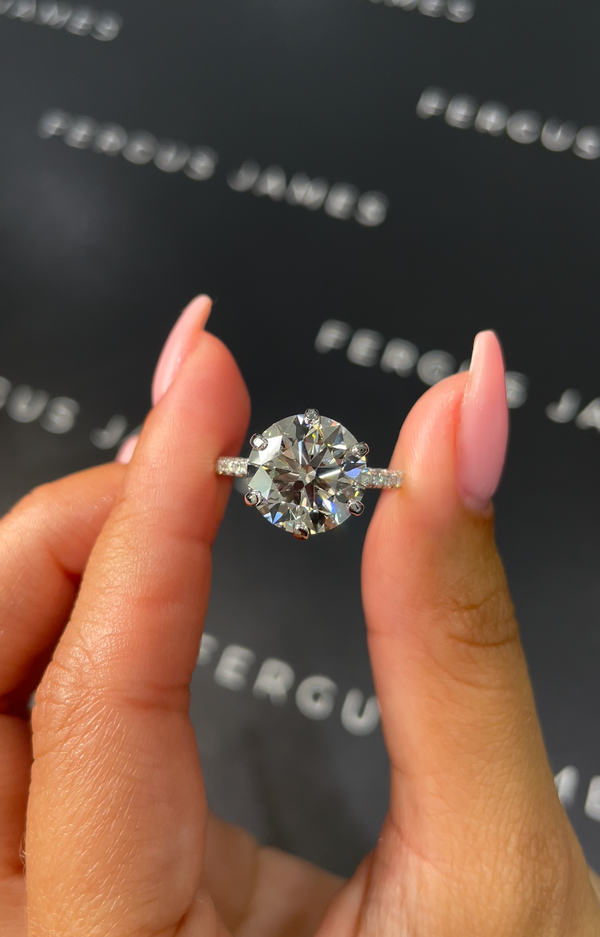
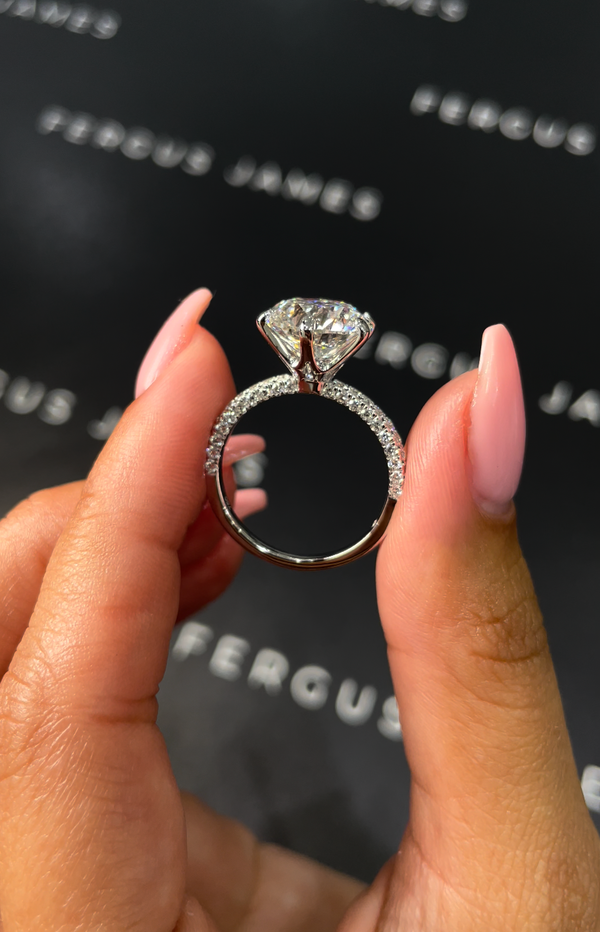
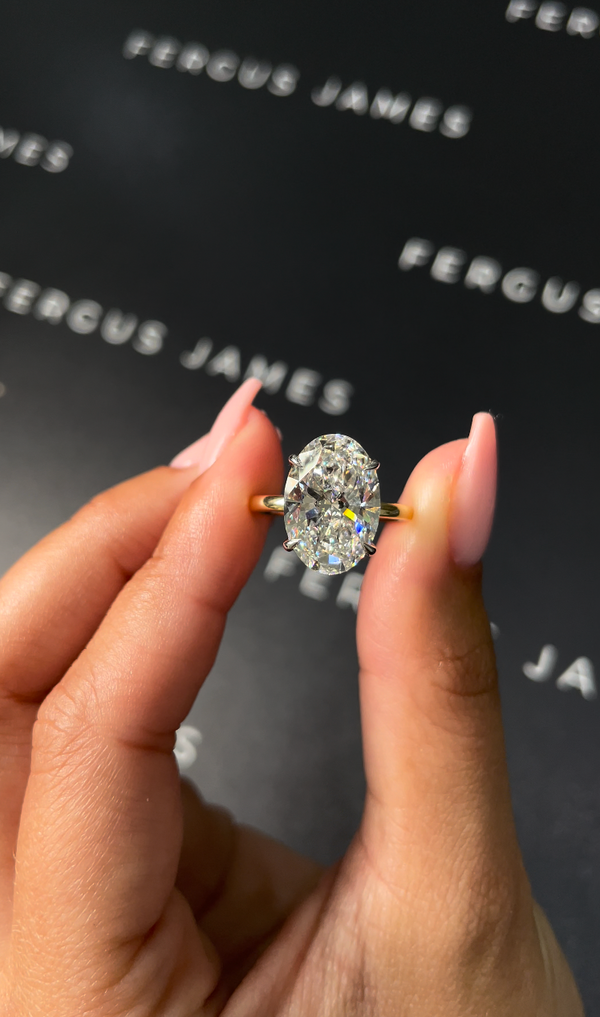
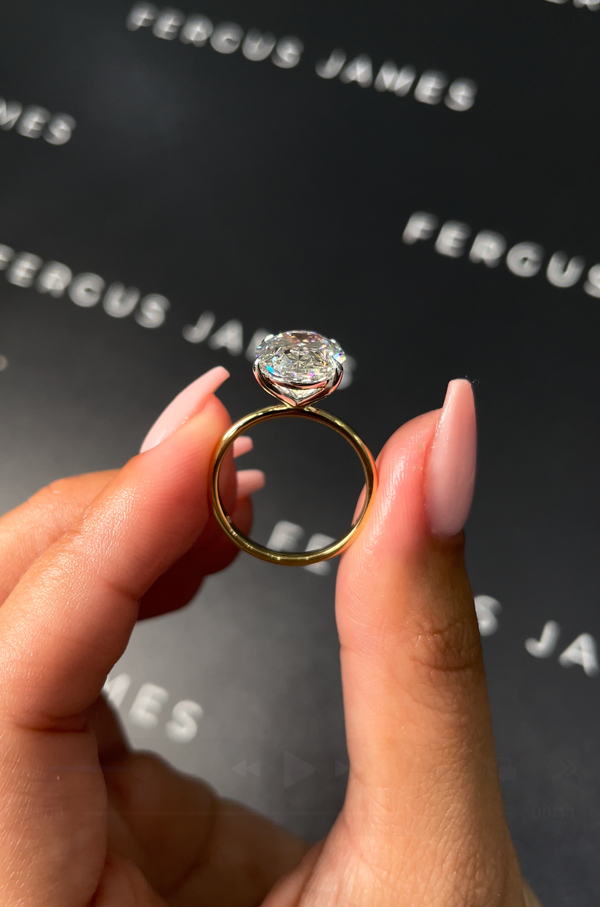
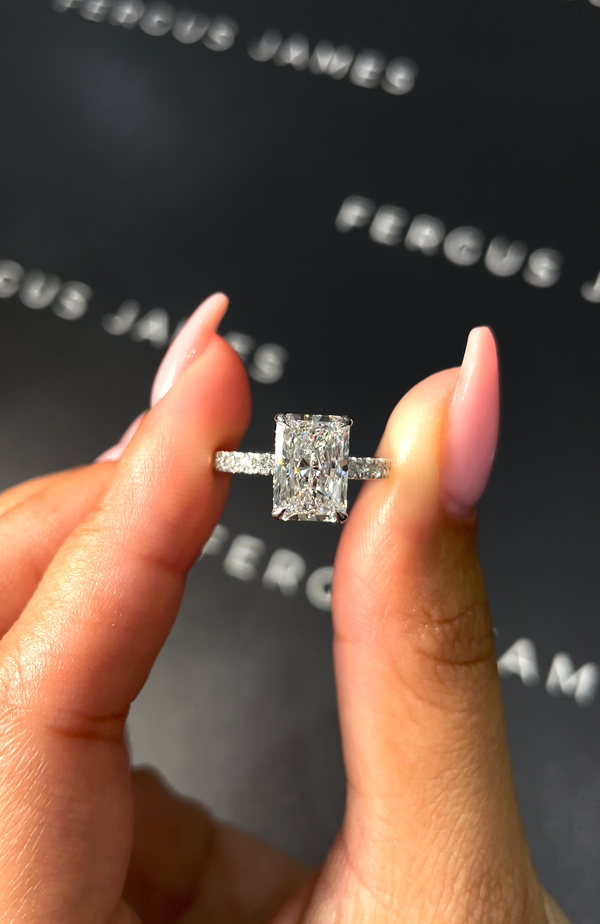
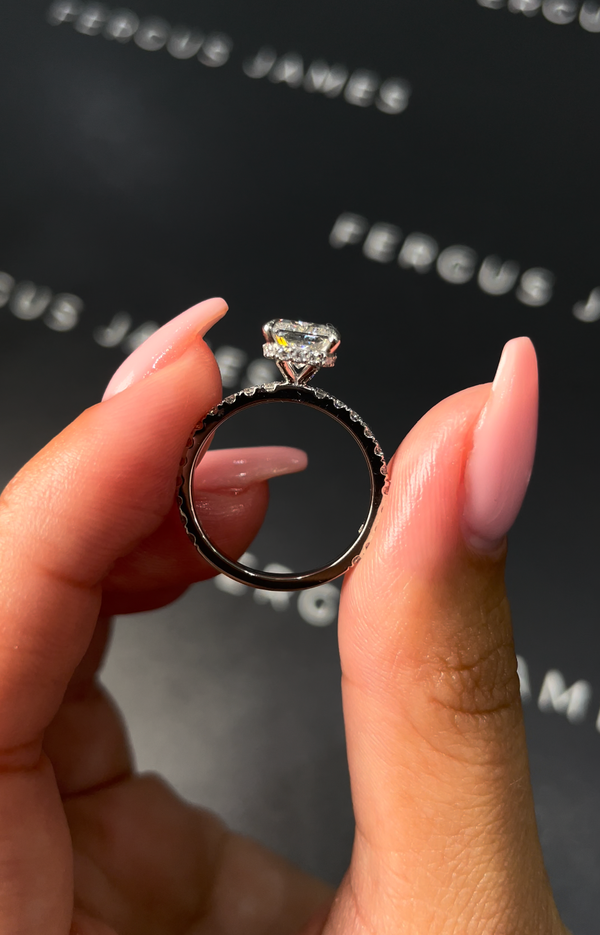
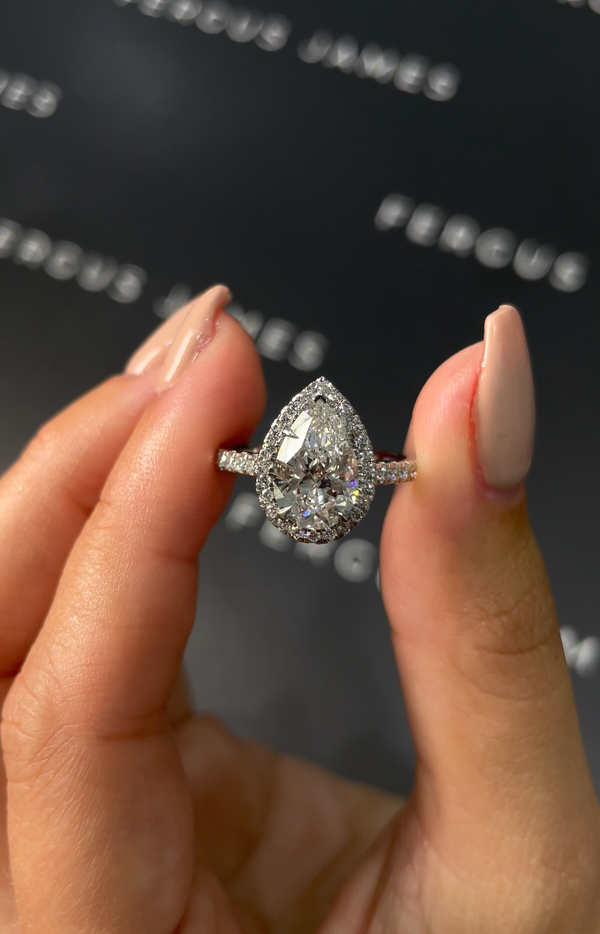
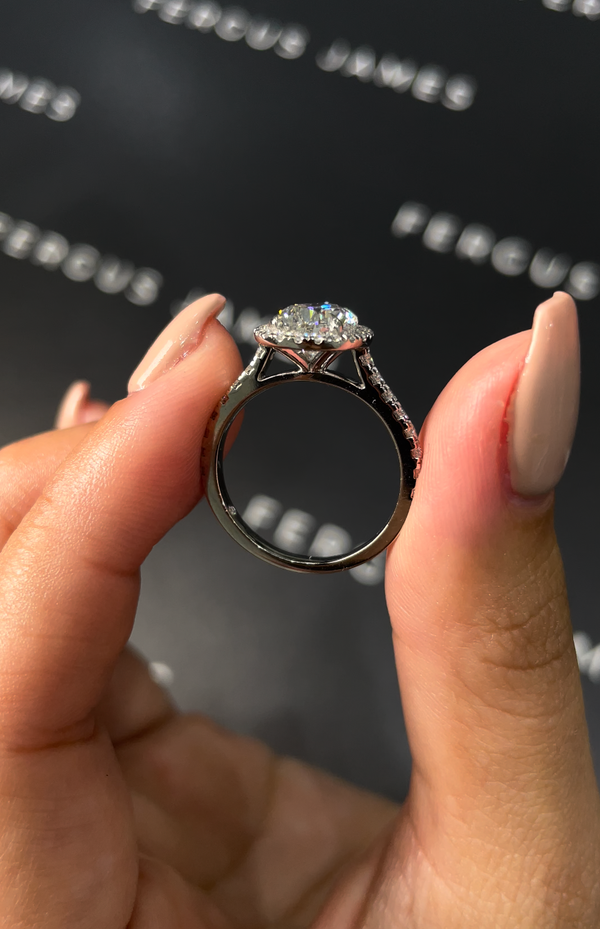
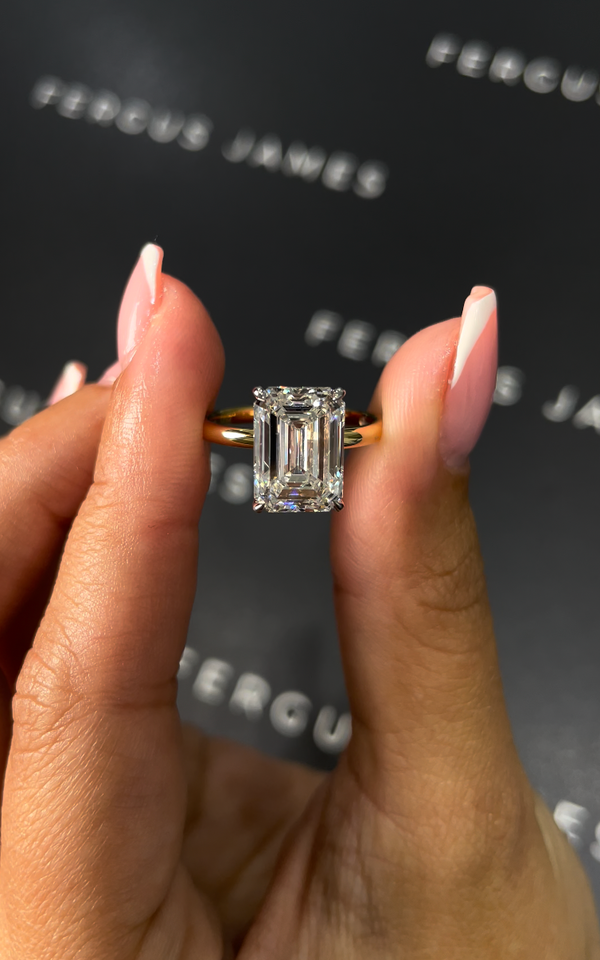
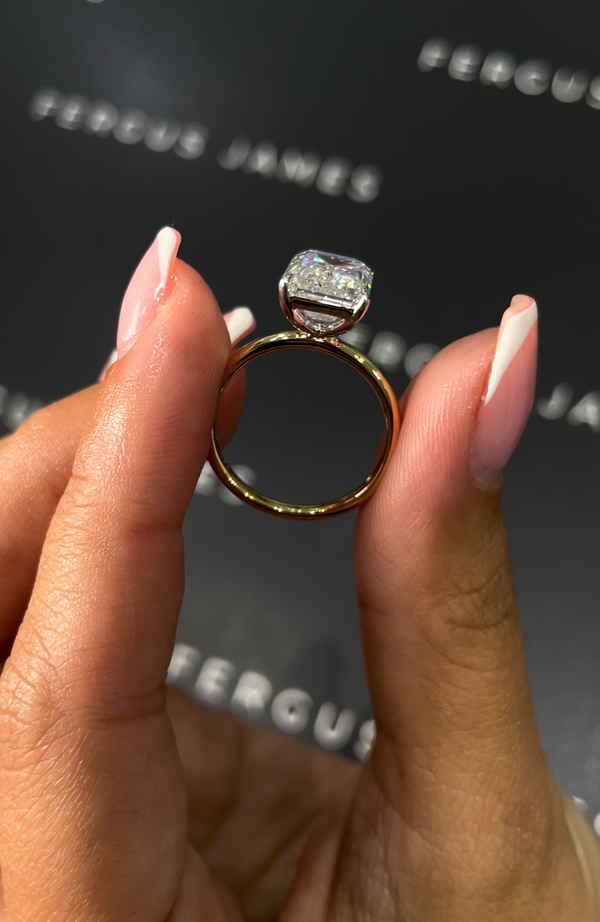
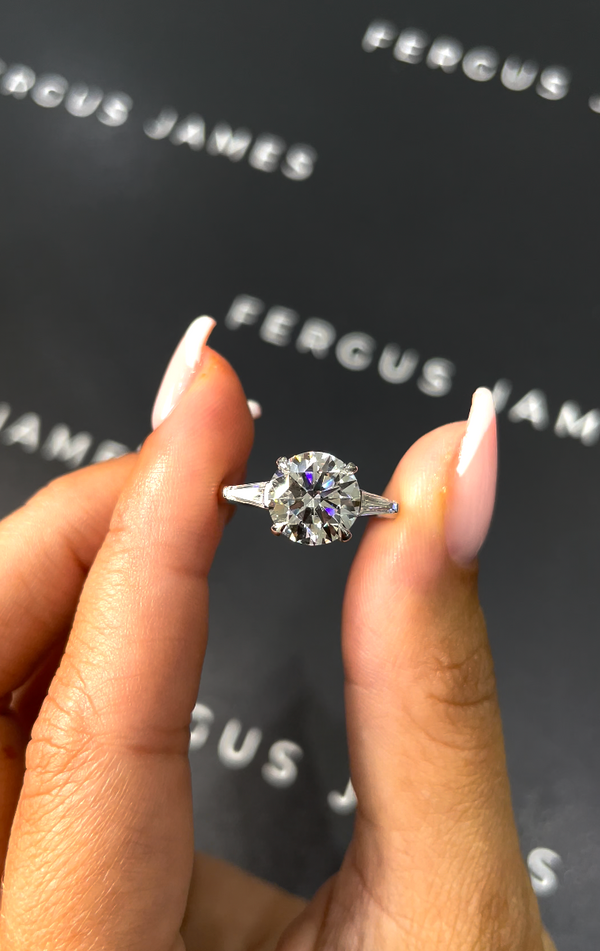
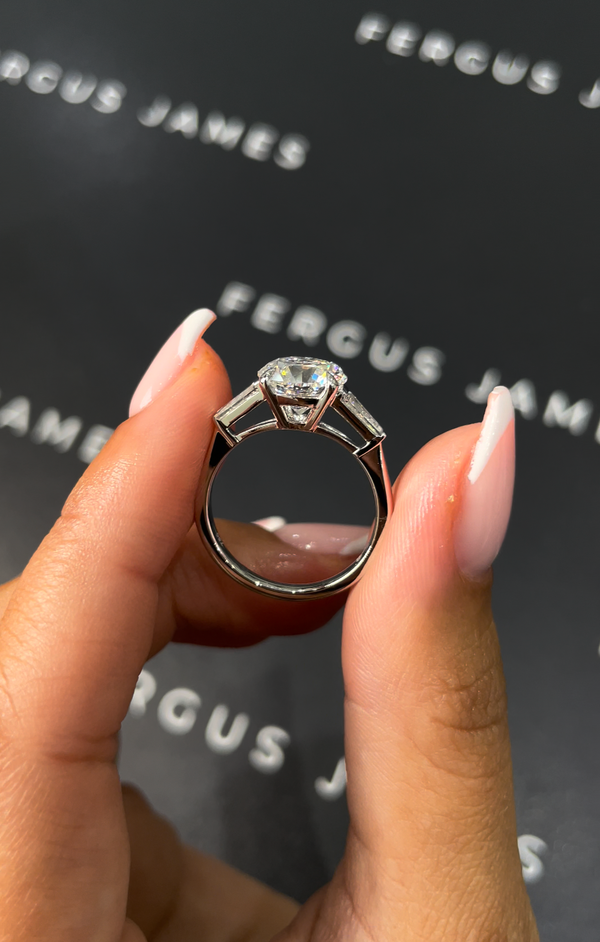
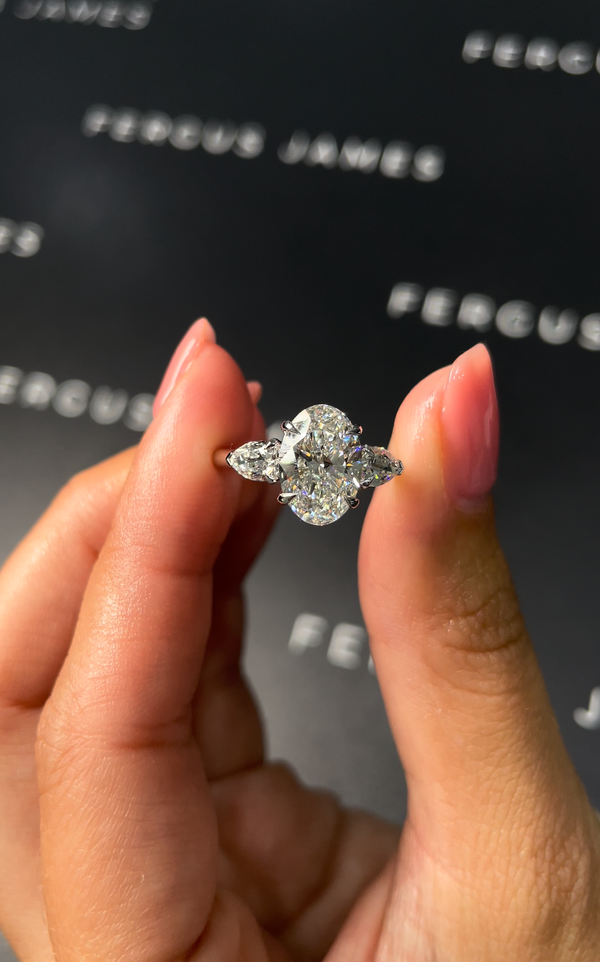
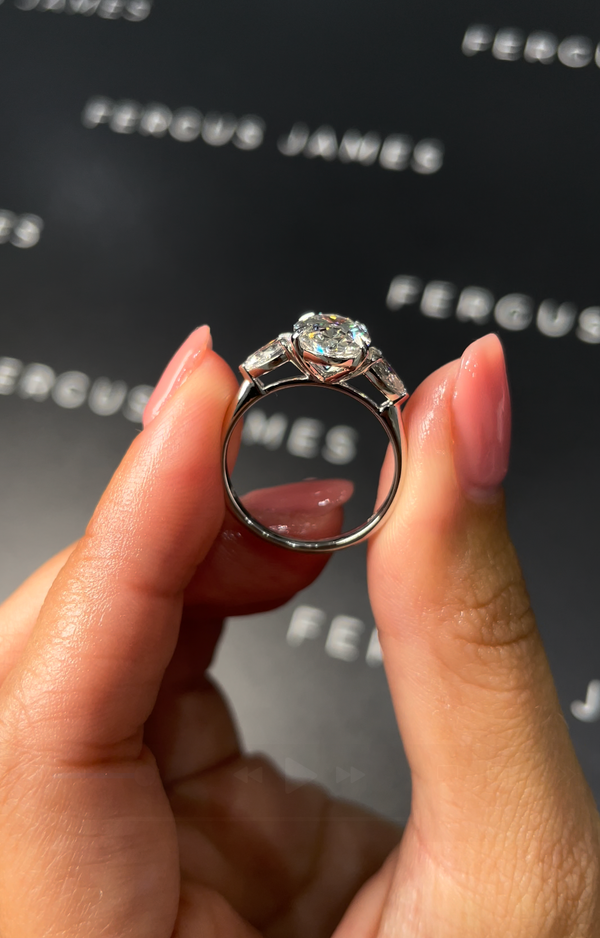
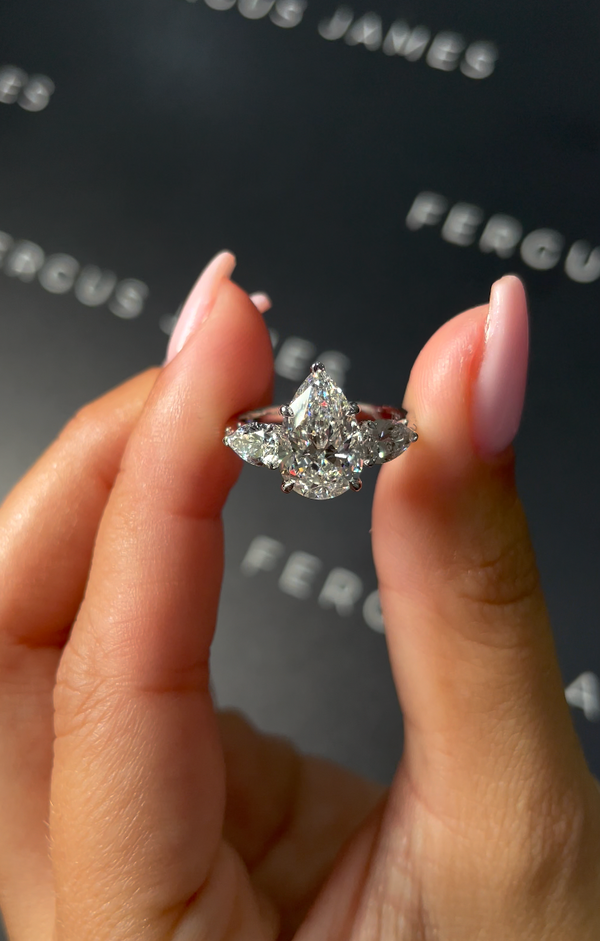
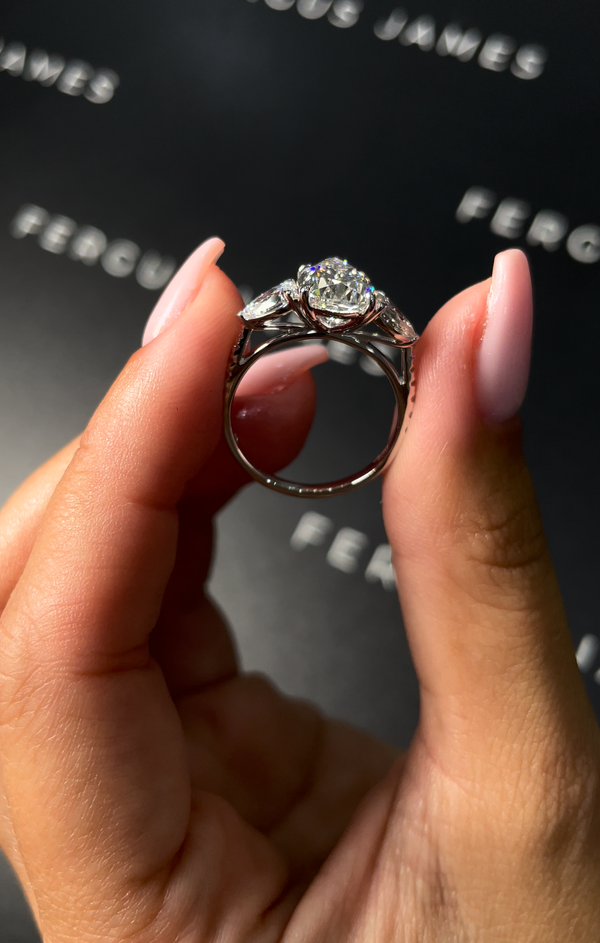
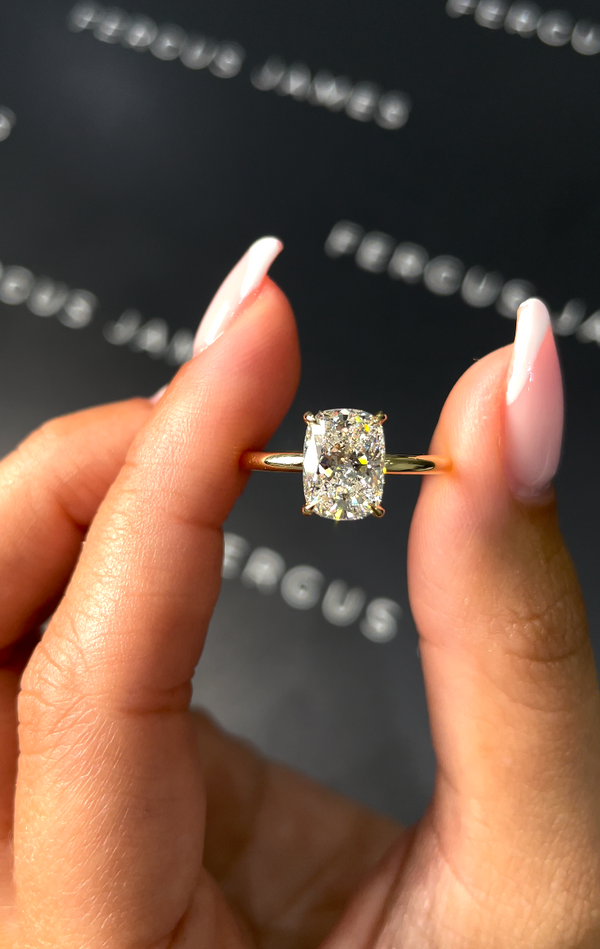
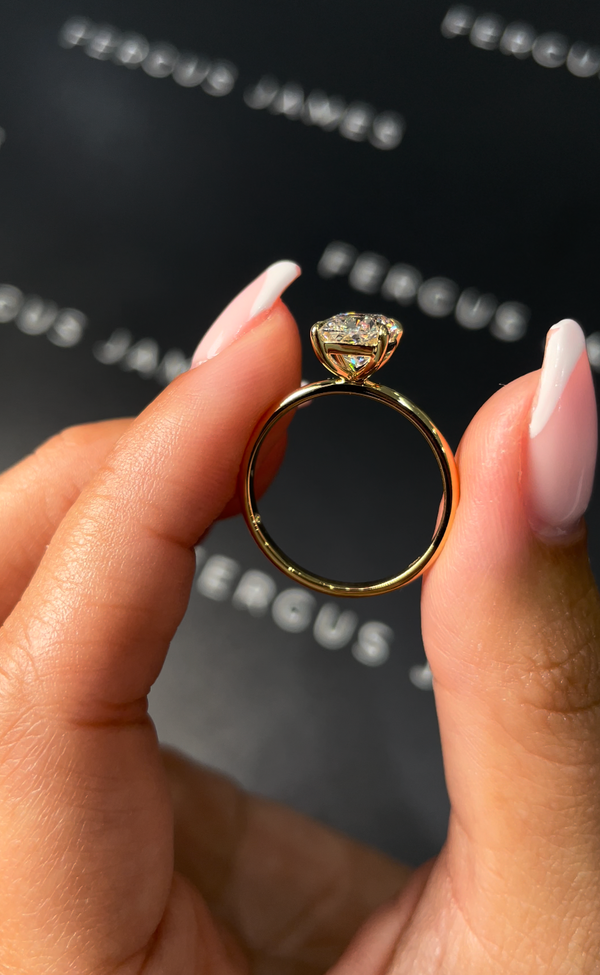
Clean, elegant settings often highlight the diamond better than overly detailed designs. A refined solitaire, a tasteful halo, or a classic three stone ring can feel timeless and sophisticated without unnecessary expense.
Metal choice also influences price. Platinum is durable and desirable, yet high quality gold settings offer beauty and longevity at a lower cost. Choosing the right metal for your lifestyle and aesthetic can prevent paying more for features you do not truly need.
Custom Design Often Costs Less Than You Expect
Many buyers assume custom diamond rings are more expensive. In reality, custom design can offer better value. When you work directly with a jeweler who sources diamonds and creates the ring in house, you avoid multiple layers of markup.
A custom ring allows you to choose exactly where your budget goes. You can prioritize diamond quality, adjust the setting details, and avoid paying for design elements that do not matter to you. The result is a ring made for you, not a mass produced piece with a premium price tag.
Custom work also gives you clarity. You see the diamond, the design, and the final ring come together step by step. This transparency builds confidence and reduces the risk of overpaying.
Be Careful With Trends That Inflate Prices
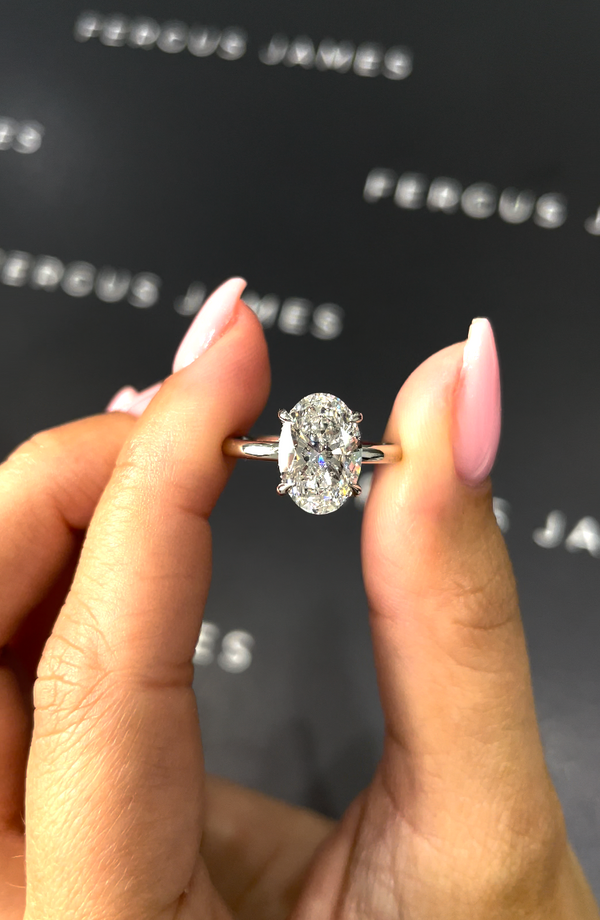
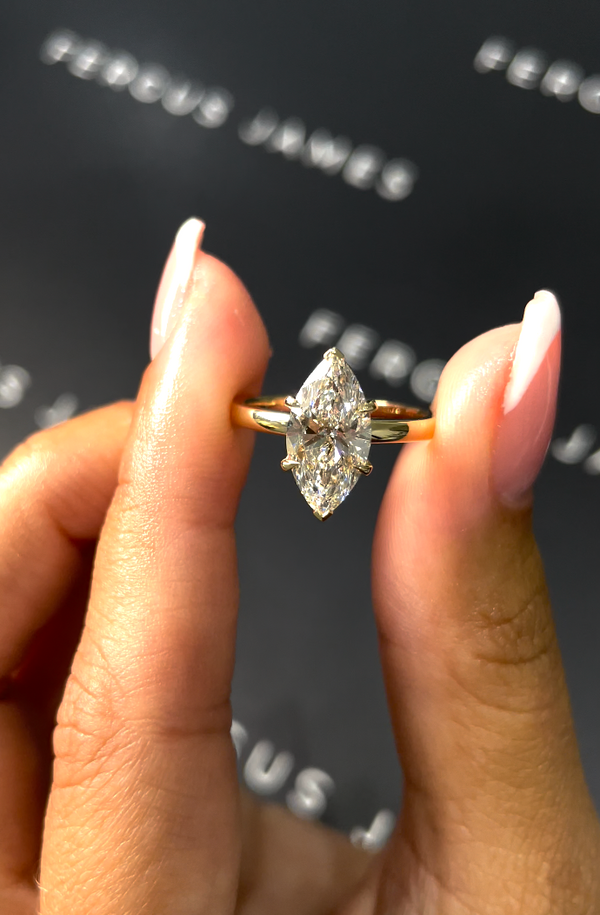
Diamond trends change every year. Certain shapes, setting styles, or design details become popular and prices rise with demand. Fancy shape diamonds, oversized halos, or unique cuts may carry higher price tags simply because they are in fashion.
A trend driven choice is not wrong, but it should be a conscious decision. If a particular style speaks to you, it may be worth the cost. If you are choosing it only because it is popular, you may end up paying more for something that feels dated later.
Timeless designs tend to hold value better and often come with more stable pricing. They also allow the diamond itself to remain the focus.


Ask the Right Questions Before You Commit
A luxury purchase should come with clear answers. Asking thoughtful questions protects you from overpaying and signals that you are an informed buyer.
Ask where the diamond was graded and request to see the certificate. Ask how the diamond compares visually to other stones with different grades. Ask if the ring price includes resizing, cleaning, or future maintenance.
A reputable jeweler welcomes these questions. Transparent pricing and clear explanations are signs of trustworthiness. Pressure tactics or vague answers should raise concern.
Understand Price Differences Between Retail and Private Jewelers
Large retail stores often carry high overhead costs. Prime locations, sales staff, and inventory storage all affect pricing. These expenses are reflected in the final price you pay.
Private jewelers and ateliers usually operate with leaner structures. They often source diamonds directly and create jewelry locally. This approach allows for more competitive pricing and greater flexibility.
In a market like Dubai, where skilled craftsmen and global diamond access come together, working with a private jeweler can provide exceptional value without sacrificing quality or service.
Consider Long Term Value, Not Just the Purchase Price
Avoiding overpayment also means thinking beyond the day of purchase. A well chosen diamond ring should age beautifully and retain desirability.
Quality craftsmanship, secure settings, and balanced diamond selection protect your investment. A ring that requires constant repair or feels outdated within a few years carries hidden costs.
Choosing a design that fits your lifestyle and taste ensures lasting satisfaction. Emotional value matters just as much as financial value in fine jewelry.
Trust Experience Over Sales Talk
Luxury jewelry buying should feel calm and informed, not rushed. Sales driven language often focuses on urgency or limited availability. True expertise focuses on education and guidance.
A jeweler who explains why a certain diamond suits you, rather than pushing the highest priced option, helps you avoid unnecessary spending. Experience shows in how details are explained and how options are presented.
Trust grows when you feel heard and respected. That trust is often the strongest sign that you are paying a fair price.
Buying a diamond ring without overpaying comes down to clarity. Clarity about diamond quality, clarity about pricing, and clarity about what truly matters to you.
Luxury is not defined by excess. It is defined by thoughtful choices, refined taste, and confidence in what you own. When you understand where value lives and where it does not, you gain control of the process.
At Fergus James, we believe an exceptional diamond ring should feel personal, honest, and beautifully made. With the right guidance, buying a diamond becomes less about avoiding mistakes and more about enjoying the experience of choosing something meaningful that will last a lifetime.