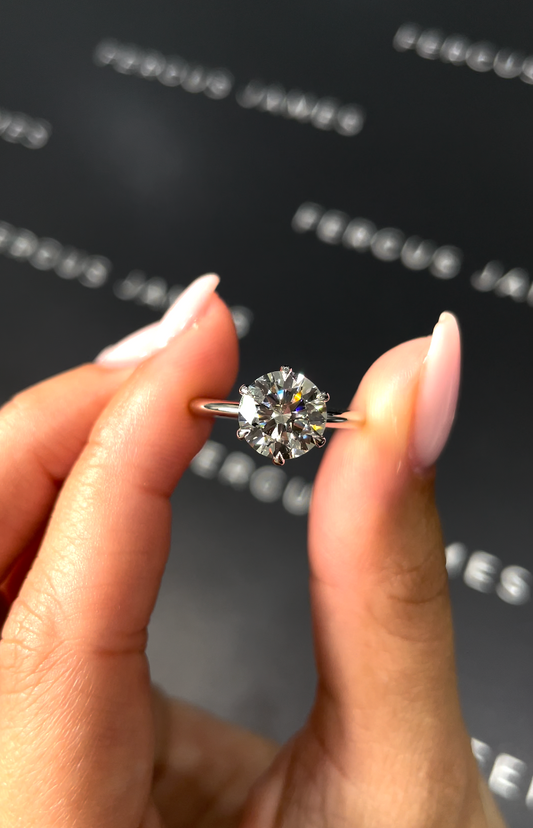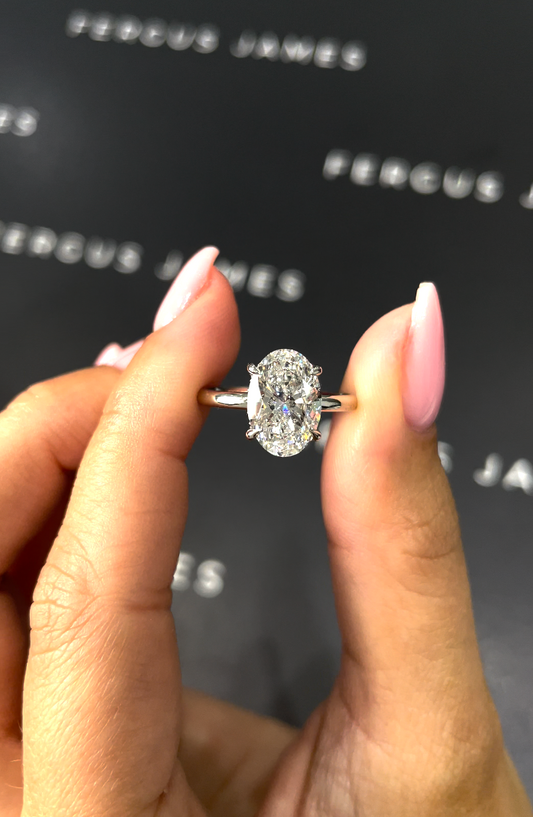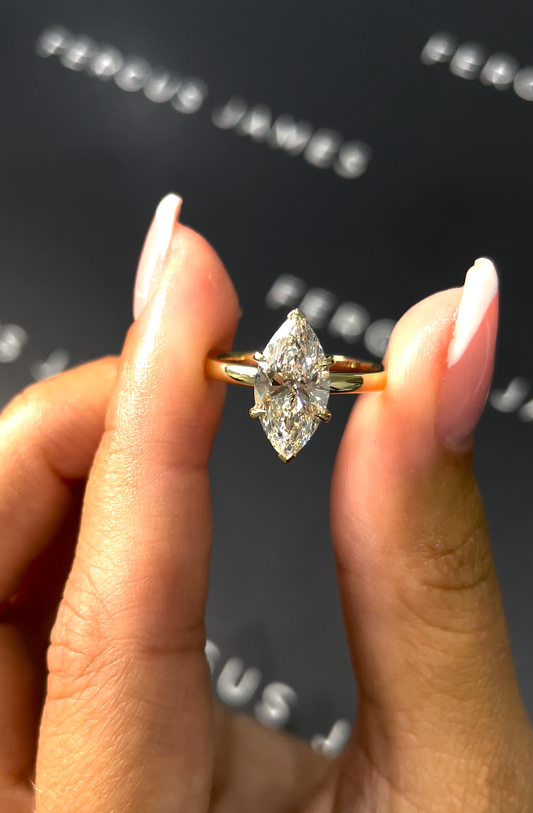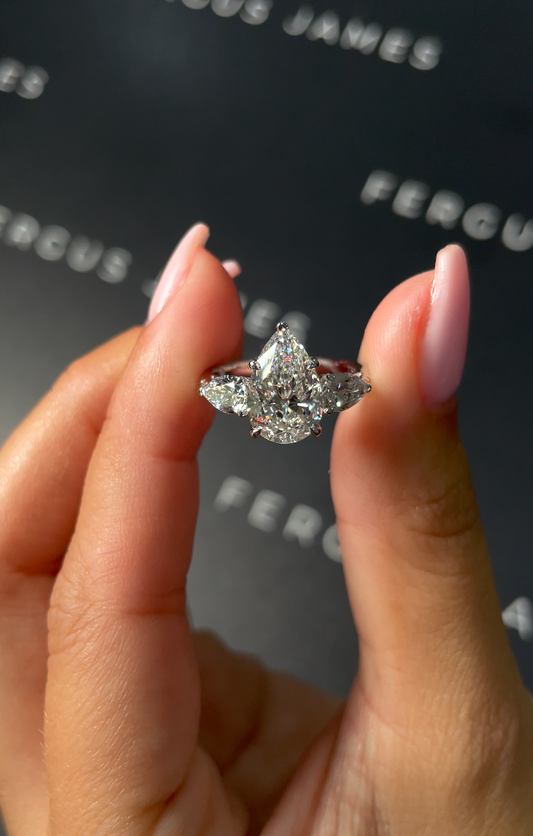













Diamonds have always been a symbol of love, commitment, and luxury. But with the rise of technology, the diamond market now offers two distinct choices—natural and lab-grown diamonds. At first glance, they appear identical. Both shine brilliantly, both are made of pure carbon, and both can be cut and polished into breathtaking pieces. Yet, there are important differences when it comes to how they are formed, their long-term value, and how they are perceived in the world of fine jewelry


1. How Each Type of Diamond Is Created
Natural Diamonds
Natural diamonds are formed deep within the Earth's mantle under extreme heat and pressure, over billions of years. These stones are then brought closer to the surface through volcanic eruptions and mined from the earth. Each diamond carries a natural history—its journey from the Earth's core to a polished gem gives it a sense of rarity and individuality.
Lab-Grown Diamonds
Lab-grown diamonds are created in controlled environments using advanced technology that replicates the natural diamond-growing process. They can be produced using two main methods: HPHT (High Pressure, High Temperature) and CVD (Chemical Vapor Deposition). Both methods create diamonds with the same physical, chemical, and optical properties as natural ones. The main difference lies in the origin, not the quality or composition.
2. Appearance: Can You Tell Them Apart?
To the naked eye, there is no visible difference between natural and lab-grown diamonds. Both display the same brilliance, fire, and sparkle. In fact, even expert gemologists need advanced testing equipment to identify which is which.
Cut, color, clarity, and carat all affect how a diamond looks, regardless of its origin. Lab-grown diamonds can achieve excellent grades in all these areas, just like their natural counterparts.
That said, some buyers appreciate the tiny inclusions or unique growth patterns found in natural diamonds. These natural features give each stone its own personality. Lab-grown diamonds, on the other hand, tend to have fewer inclusions, as the growth process can be closely managed.
If appearance is your main concern, you'll be happy to know that both options deliver the same breathtaking sparkle once they are professionally cut and set.
3. Price and Long-Term Value
Price is often the biggest difference between natural and lab-grown diamonds.
Natural Diamonds and Their Value
Natural diamonds are rare and take billions of years to form, which is why they command higher prices. The cost also reflects the effort and expertise involved in mining, sorting, cutting, and grading them. Over time, natural diamonds tend to retain their value, and in many cases, they can even appreciate—especially rare sizes or colors.
These stones are often passed down through generations as heirlooms. Their value is supported by both emotional and financial significance, making them a lasting investment.
Lab-Grown Diamonds and Affordability
Lab-grown diamonds typically cost 40–60% less than natural diamonds of the same size and quality. This makes them an attractive option for buyers who want a larger or higher-quality stone within a certain budget.
However, their resale value is currently much lower. Since they can be produced in large quantities, they don't hold the same rarity or long-term investment potential as natural diamonds. The secondary market for lab-grown stones is still developing, and resale demand remains limited.
If you're buying a diamond primarily for beauty and size rather than as an investment, a lab-grown diamond offers great value for money. But if you see your diamond as something to cherish and pass down, a natural diamond is the stronger choice.
4. Longevity and Durability
Both natural and lab-grown diamonds score 10 on the Mohs scale of hardness, making them equally resistant to scratching and suitable for everyday wear. They both offer the same level of durability, meaning either can last for generations if properly cared for.
Lab-grown diamonds are real diamonds—they are not imitations or simulants like cubic zirconia or moissanite. They have the same crystal structure and resilience. Whether you choose natural or lab-grown, your diamond will remain beautiful for a lifetime.
5. Environmental and Ethical Factors
The conversation around diamond sourcing has changed over the years. Many buyers today want to know that their diamond was created or mined responsibly.
Natural Diamonds
The natural diamond industry has made major progress in ethical sourcing and sustainability. Modern mining operations often follow strict environmental and social standards, contributing to local communities through education, healthcare, and employment.
Most natural diamonds sold by reputable jewelers come with certification from organizations that ensure they are conflict-free. However, mining does involve environmental impact, and this is something many eco-conscious buyers consider.
Lab-Grown Diamonds
Lab-grown diamonds are promoted as a more sustainable alternative since they don't require traditional mining. They use far less land and water, and newer labs are shifting toward renewable energy sources. Still, creating diamonds in labs requires high energy consumption, so the environmental impact depends on the energy source used during production.
For customers who prioritize sustainability, lab-grown diamonds can offer peace of mind—especially when purchased from producers who use clean energy and transparent manufacturing practices.

6. Emotional and Symbolic Meaning
Beyond sparkle and price, diamonds hold deep emotional meaning. They represent love, strength, and timeless connection.
Many buyers feel a strong emotional pull toward natural diamonds because of their rarity and natural formation. Owning something that took billions of years to form feels special—almost like holding a piece of Earth's history.
Others, however, find beauty in modern innovation. Lab-grown diamonds symbolize progress, technology, and conscious choices. They align well with couples who value sustainability, innovation, and ethical production.
The emotional appeal comes down to what feels right for you. There's no wrong choice—only the one that aligns with your personal story and values.
7. Certification and Transparency
Whether natural or lab-grown, certification is essential when buying a diamond. A certificate from a trusted laboratory—like GIA (Gemological Institute of America) or IGI (International Gemological Institute)—confirms the stone's characteristics, including its cut, color, clarity, carat weight, and whether it's natural or lab-grown.
This document protects your investment and ensures you're getting exactly what you paid for. Always ask for certification and buy from reputable jewelers who are transparent about sourcing and grading.
8. Choosing Between Natural and Lab-Grown Diamonds
Your decision depends on what matters most to you. Here's a simple way to think about it:
• Choose Natural Diamonds if you value rarity, tradition, and long-term worth.
• Choose Lab-Grown Diamonds if you value affordability, modern technology, and sustainable production.
If you're designing a custom engagement ring, both types can be tailored to your exact specifications. You can choose the perfect cut, setting, and metal to complement your diamond, no matter its origin.
The key is to buy from a trusted jeweler who will guide you through the options honestly and help you choose a diamond that fits your style, budget, and beliefs.
Both natural and lab-grown diamonds have their strengths. Natural diamonds offer unmatched rarity and emotional significance, while lab-grown diamonds provide exceptional beauty and value at a more accessible price.
The right choice depends on what matters to you—heritage or innovation, rarity or sustainability, investment or affordability.